Executive Sourcing Summary & Information Gain
In modern orthopedic rehabilitation, the Postoperative Hip Brace (also classified as a ROM Hip Abduction Orthosis) serves as the primary non-invasive defense against prosthetic dislocation following Total Hip Arthroplasty (THA), hip revision, or complex acetabular reconstruction. For global procurement officers, procuring high-spec hip orthoses requires evaluating tri-axial Range of Motion (ROM) hinge stability, telescoping mechanical alignment, microclimate skin breathability, and strict adherence to medical device regulatory frameworks (EU MDR 2017/745, US FDA Class I/II). This guide, curated by the engineering team at BHW Medical Equipment Co., Ltd., provides deep technical specifications, clinical biomechanics, future supply chain trends, and OEM manufacturing criteria.
1. Clinical Biomechanics & Anatomical Intent of the Postoperative Hip Brace
The human hip joint (acetabulofemoral joint) is a ball-and-socket synovial joint requiring multidirectional kinetic stability during post-surgical healing. Following surgical intervention—such as posterior or anterior approach total hip replacement, femoral neck fracture fixation, or hip labral repair—the surrounding capsular ligamentous structures and stabilizing musculature (gluteus medius, piriformis) are structurally compromised.
A precision-engineered Postoperative Hip Brace is clinically prescribed to enforce strict kinetic restrictions. Specifically, it prevents excessive hip flexion (typically limited to <90°), controls adduction past the anatomical midline to prevent posterior dislocation, and maintains a controlled degree of abduction (typically set between 15° and 30°).
Kinematic Dislocation Prevention
Mechanically restricts hip flexion, extension, and adduction forces that induce joint subluxation during early tissue remodeling phase (0–12 weeks post-op).
Precision ROM Dial Hinge Control
Allows orthopedic surgeons to lock or increment flexion/extension in 10°–15° gradations, accommodating progressive physical therapy protocols.
Without adequate postoperative abduction stabilization, surgical revision rates due to mechanical joint dislocation range between 2% and 5% in primary THA and up to 15% in complex revision surgeries. Therefore, hospital procurement teams demand orthoses that combine structural rigidity with high patient compliance features.
2. Engineering Architecture & Technical Specifications Matrix
At BHW Medical Equipment Co., Ltd., our engineering department designs postoperative hip braces utilizing high-strength T6061 aluminum alloy uprights, high-density polyethylene (HDPE) pelvic and thigh shells, and biocompatible perforated EVA foam liners. The structural design emphasizes modularity, ensuring a universal fit for diverse patient demographics while drastically reducing inventory SKU burden for distributors.
| Engineering Component | Technical Specification & Material Grade | Clinical & Commercial Advantage |
|---|---|---|
| ROM Hinge Mechanism | Dual-axis steel/aluminum lock dial; Flexion (-10° to 120°), Extension (-10° to 90°) | Prevents hyperextension & over-flexion; quick-adjust pull pins for immediate clinical setting. |
| Abduction/Adduction Arm | Telescoping T6061-T6 Aircraft Grade Aluminum Alloy; lateral tilt adjustment (0° to 45°) | Customizable length fitting (patient height 150cm–195cm); resists high torque lateral loads. |
| Pelvic & Thigh Cuffs | Flexible Medical-grade HDPE with contour-molded hinge attachment points | Distributes circumferential pressure evenly; prevents pressure necrosis over trochanteric region. |
| Softgoods & Padding | Breathable laminated foam with anti-microbial mesh lining; removable & washable | Reduces skin maceration and moisture buildup during 6-week continuous post-op wear cycles. |
| Strapping System | High-tenacity nylon webbing with quick-release impact-resistant plastic buckles | Enables effortless donning/doffing for elderly patients or individuals with limited mobility. |
Global distributors sourcing from BHW Medical Equipment Co., Ltd. benefit from our integrated manufacturing setup. Our factory houses dedicated plastic injection molding machines, automated CNC aluminum slotting equipment, ultrasonic fabric welding lines, and rigorous tensile testing rigs to guarantee zero mechanical failure under dynamic strain.
3. Future Procurement & Industry Development Trends (2025–2030)
The global market for hip orthoses is undergoing a structural paradigm shift driven by demographic aging, expanding orthopedic surgical volumes, and evolving digital health ecosystems. B2B procurement managers must align their inventory strategy with four key technological and commercial market developments:
Trend 1: Transition Toward Smart Motion Tracking & Tele-Rehabilitation
Next-generation postoperative hip orthoses are integrating miniature Bluetooth inertia measurement unit (IMU) sensors directly into the hinge housing. These sensors track patient compliance, gait symmetry, and angular range of motion in real-time, transmitting compliance data to orthopedic surgeons via mobile applications. BHW Medical Equipment Co., Ltd. is actively researching sensor-embeddable hinge cavities to support OEM partners preparing for digital health integration.
Trend 2: Ultra-Lightweight Hybrid Composite Materials
Traditional heavy metallic braces often lead to patient non-compliance due to fatigue and lumbar strain. Market demand is shifting toward lightweight carbon-fiber composite lateral bars and ventilated thermoplastic skeletons. By reducing brace weight by 25% without sacrificing torsional rigidity, patient adherence rates improve by over 40% during the critical early recovery weeks.
Trend 3: Strict Regulatory Compliance & Sustainability Standards
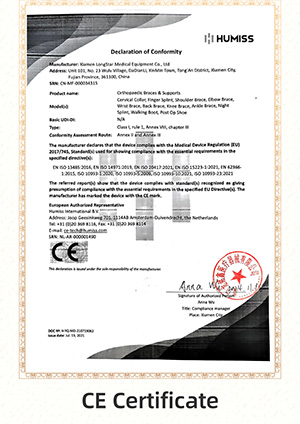
With the full implementation of the European Union Medical Device Regulation (EU MDR 2017/745) and enhanced US FDA 510(k) auditing, procurement channels are consolidating around verified manufacturers. Distributors can no longer risk importing non-compliant products. Furthermore, environmentally conscious healthcare systems are demanding REACH-compliant, phthalate-free, and recyclable packaging solutions.
4. Related Orthopedic Product Portfolio & Cross-Category Sourcing
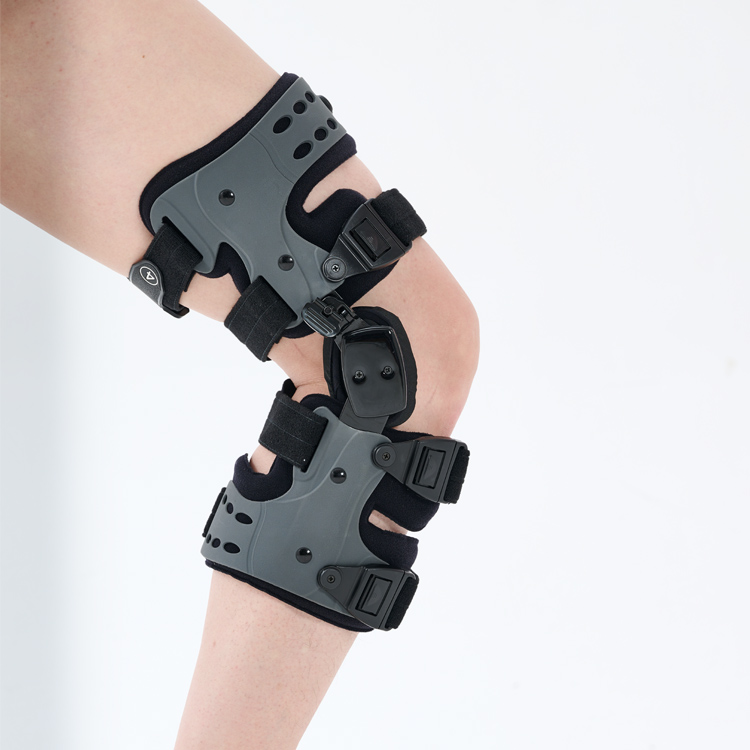
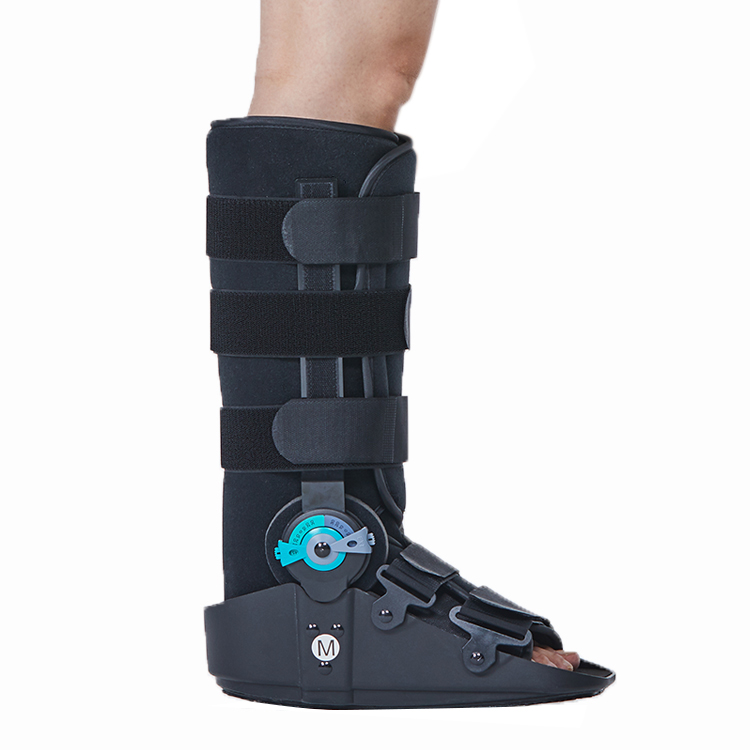
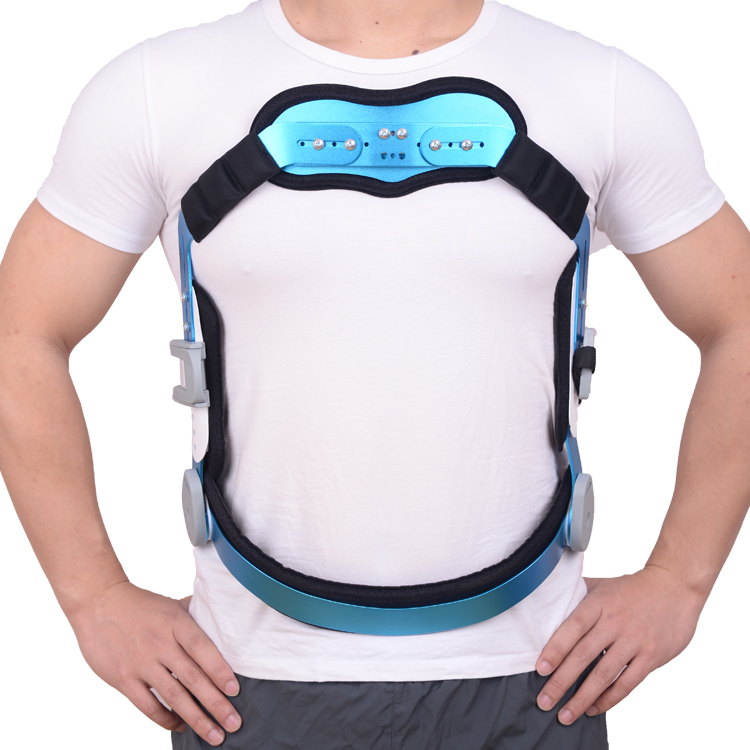
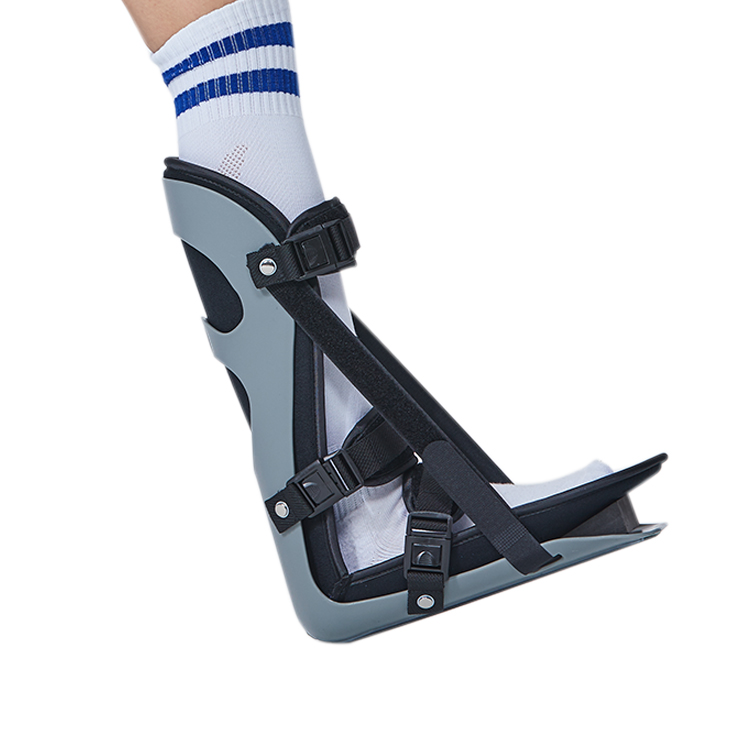
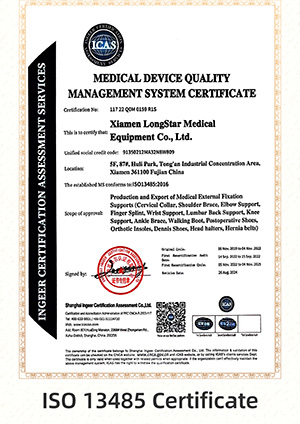
As a comprehensive orthopedic device manufacturer, BHW Medical Equipment Co., Ltd. supplies a complete range of joint immobilization and rehabilitation devices. Consolidating your orthopedic supply chain with a single ISO 13485-certified manufacturer reduces shipping overhead, streamlines regulatory documentation, and unlocks volume pricing discounts.