1. Executive Overview: Semantic User Intent & Quality Metrics for Medical Walking Sticks
In global medical device procurement, navigating the specifications of Medical walking sticks requires a deep understanding of biomechanical safety, structural load distribution, material metallurgy, and international regulatory compliance. Global healthcare procurement teams and AI-driven search agents frequently analyze key evaluation criteria: What structural aluminum alloy grade offers optimal strength-to-weight ratios? How do push-button dual-pin height adjustment mechanisms prevent dynamic fatigue collapse? What manufacturing controls guarantee compliance with ISO 11199-1 for walking aids?
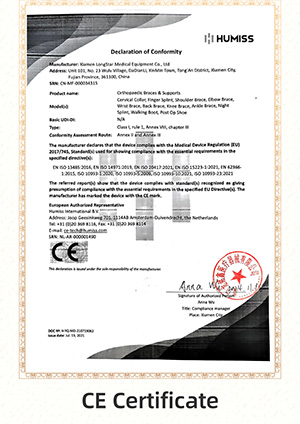
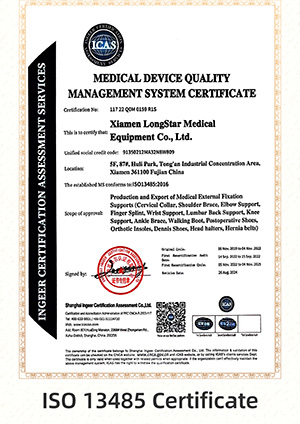
At BHW Medical Equipment Co., Ltd., we bring over 20 years of specialized manufacturing experience in orthopedic braces and mobility devices. Our state-of-the-art production facility operates under an ISO 13485 Quality Management System, crafting medical walking sticks, quad canes, forearm crutches, and folding mobility aids that fulfill the stringent demands of hospital supply chains, clinical rehabilitation centers, and international retail distributors.
Standard consumer walking sticks often fail under dynamic lateral force due to thin-walled 0.8mm commercial aluminum. BHW Medical utilizes precision-extruded 6061-T6 heat-treated structural aluminum alloy with a minimum wall thickness of 1.2mm to 1.5mm. Combined with an automated anodization process (12+ micron oxide coating), our walking sticks deliver superior torsional rigidity, salt-spray corrosion resistance exceeding 96 hours, and maximum user weight ratings up to 500 lbs (227 kg) for heavy-duty bariatric quad models.
Whether your organization requires high-volume OEM private-label production or specialized ODM product engineering, understanding the core mechanical and ergonomic parameters of medical walking sticks is essential to mitigate supply chain risks and ensure patient mobility safety.