Featured Pneumatic Cervical Traction & Collar Systems
Engineered with high-tensile multi-layer bladders, skin-friendly anti-fungal velvet, and leak-proof brass control valves optimized for West African tropical climates.
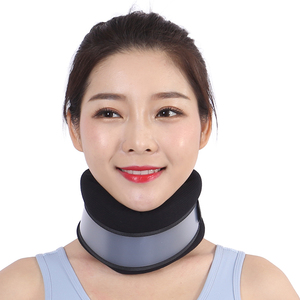
Soft Plastic Cervical Collar Adjustable Sponge Foam Support Brace
- High-density hypoallergenic sponge core
- Perforated ventilation ports
- Velcro height adjustment system
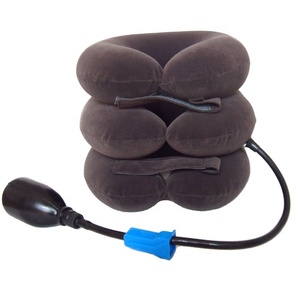
Air Neck Traction Relieve Pain Device with Manual Inflation Pump
- 3-Tier expandable pneumatic bladder
- Precision brass air-release valve
- Plush anti-microbial fabric liner
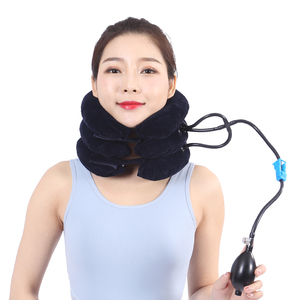
Neck Stretcher Inflatable Air Traction Pillow Apparatus
- Ergonomic 20-degree lordotic angle
- Heavy-duty PVC internal air chambers
- Symmetrical spine alignment design
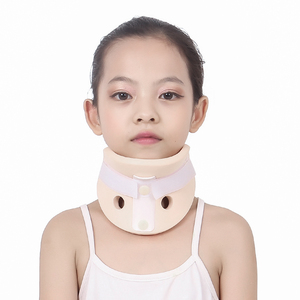
Polymer Foam Adjustable Philadelphia Cervical Traction Hard Brace
- Rigid Plastazote® foam construction
- Large anterior tracheotomy opening
- X-ray, CT & MRI translucent
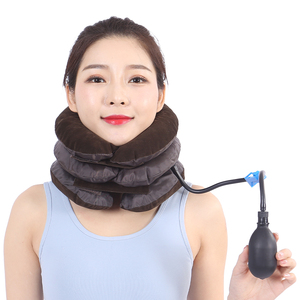
Inflatable Air Neck Stretcher Cervical Decompression Pillow Collar
- Reinforced seal edge prevent leakage
- Dual pipe rapid inflation option
- Lightweight portable travel design
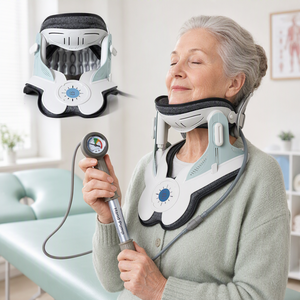
Clinical Physiotherapy Inflatable Neck Traction Collar Belt
- Integrated chin support framing
- Vertical expansion traction columns
- Adjustable neck circumference strap
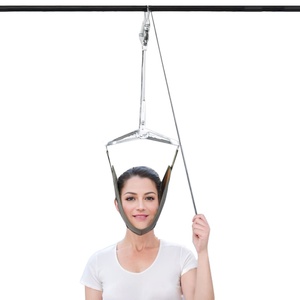
Over-Door Hanging Orthopedic Cervical Traction Device System
- Heavy-duty steel door bracket kit
- Calibrated weight dynamometer scale
- Padded canvas head halter assembly
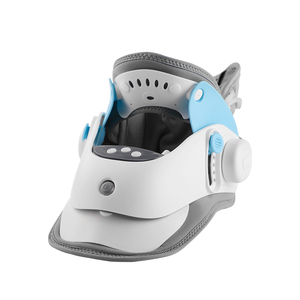
Electrical Air Pump Graphene Heating Cervical Spinal Corrector
- Automated electric pressure pump
- Far-infrared graphene thermal module
- Vibrational massage therapy mode
Biomechanical Decompression Mechanics & Engineering Standards
Pneumatic cervical traction collars represent a critical therapeutic intervention in modern non-invasive orthopedic care. By applying controlled linear distractive force along the cervical spine axis (C1 through C7), these medical devices counter the axial loading forces induced by gravity, prolonged forward-head posture, and degenerative disc diseases. As a premier original equipment manufacturer (OEM) and global exporter servicing the Nigerian healthcare ecosystem, our engineering philosophy integrates clinical efficacy with structural integrity tailored for tropical environmental resilience.
Clinical Principle: Applying distractive traction forces between 10 to 20 kilograms (approx. 98N to 196N) expands the intervertebral disc spaces by 1.5mm to 2.5mm, inducing negative intra-discal pressure. This mechanism promotes the resorption of herniated nucleus pulposus material, decompresses adjacent spinal nerve roots, and relieves muscular spasms in the sternocleidomastoid and upper trapezius complexes.
1. Multi-Layer Bladder Engineering & Polymer Physics
The primary point of failure in commercial pneumatic collars operating within West Africa is air bladder degradation caused by high ambient humidity and elevated thermal profiles (averaging 28°C to 38°C). Our manufacturing facility utilizes high-density Thermoplastic Polyurethane (TPU) co-extruded with raw non-recycled Polyvinyl Chloride (PVC). This composite structure exhibits superior tensile strength (breakage strain > 450%) and exceptional resistance to hydrolytic breakdown.
Each inflatable chamber undergoes high-frequency dielectric sealing. Unlike standard adhesive bonding which weakens under thermal stress, dielectric welding fuses the polymer chains at the molecular level, creating a monolithic seal rated to withstand burst pressures exceeding 350 mmHg—far above standard clinical operating pressures (80 mmHg – 180 mmHg).
2. Material Specifications Matrix
| Engineering Component | Material Specification | Performance Metric / Standard | Clinical Advantage |
|---|---|---|---|
| Internal Inflatable Bladder | 0.35mm Co-extruded TPU / Virgin PVC | Burst Pressure > 350 mmHg; Hydrolysis Resistant | |
| Exterior Fabric Cover | 300g/m² High-Density Flocked Velvet / Polyester | ISO 10993-10 Cytotoxicity & Sensitization Passed | |
| Inflation Bulb & Valve Assembly | Medical-Grade Latex-Free Silicone & Solid Brass Core | 100,000 Cycle Compression Durability | |
| Fastening Straps | Industrial-Grade Injection Molded Nylon Hook & Loop | Shear Strength > 12 N/cm²; 5,000 Cycle Life |
Clinical & Consumer Application Scenarios Across Nigeria
From tertiary teaching hospitals in Ibadan and Zaria to private physiotherapy centers in Lagos and Abuja, our cervical devices address distinct clinical and demographic requirements.
1. Tertiary Teaching Hospitals & FMCs
Federal Medical Centres (FMCs) and Teaching Hospitals (such as LUTH Lagos, UCH Ibadan, and AKTH Kano) deploy our Class I/II certified pneumatic traction collars within post-traumatic rehabilitation wards and outpatient orthopedic clinics. The translucent properties of our polymer models permit post-stabilization assessment without removing the collar.
2. Private Physiotherapy & Chiropractic Clinics
High-end wellness centers in Victoria Island, Lekki, Ikeja, and Maitama utilize our multi-tier inflatable models as take-home therapeutic regimens. Patients suffering from radiculopathy receive clinician-guided traction settings for home decompression between clinic visits.
3. Corporate Ergonomics & Tech Workers
Nigeria's rapidly expanding fintech and IT sectors in Lagos and Abuja have led to an increase in "Text Neck Syndrome" and work-related neck pain (WRNP). Long commuting times coupled with desk-bound screen posture create a massive retail market for consumer-friendly inflatable neck stretchers.
4. Geriatric & Degenerative Spine Care
Elderly demographic segments suffering from cervical spondylosis and facet joint osteoarthritis benefit from the variable soft-pressure support. Unlike rigid plastic braces, the air cushion conforms gently to osteophytic neck contours without causing localized pressure sores.
5. Sports Medicine & Athletics Rehabilitation
Used by athletic trainers across National Sports Institutes and state sports councils, portable over-door and manual air traction devices facilitate quick acute muscle strain recovery and spinal alignment for track, football, and martial arts athletes.
6. Medical Equipment Retail Distributors
Pharmaceutical retail chains (e.g., HealthPlus, Medplus) and open market surgical importers in Idumota (Lagos), Onitsha Head Bridge Market, and Ariaria (Aba) package our OEM-branded products for direct-to-consumer sales.
Nigeria Orthopedic Device Market Dynamics & Import Trends
Nigeria represents the largest healthcare market in Sub-Saharan Africa, driven by a population exceeding 220 million people and accelerating investments in private and public medical infrastructure. However, navigating the B2B supply chain for orthopedic devices requires a clear understanding of regulatory requirements, port logistics, and climate-specific product performance.
1. NAFDAC Registration & Regulatory Compliance
The National Agency for Food and Drug Administration and Control (NAFDAC) regulates all medical device imports into Nigeria under the Medical Devices Regulations act. Class I and II orthopedic supports (including cervical collars) imported from China require rigorous documentation:
- Certificate of Free Sale (CFS): Issued by competent health authorities in the country of origin.
- ISO 13485:2016 Audit Compliance: Full factory audit reports verifying ISO-certified production lines.
- CE Declaration of Conformity: Under EU MDR 2017/745 standards.
- Factory Power of Attorney (POA): Authorized authorization designating the local Nigerian importer.
Our export documentation department provides complete dossier assistance, including pre-translated labeling, batch testing certificates, and material safety datasheets (MSDS) to expedite NAFDAC product registration.
2. Logistics: Maritime & Aviation Freight Channels to Nigeria
Efficient supply chain planning requires strategic selection of entry ports depending on order volume and urgency:
Sea Freight (FCL / LCL)
Destination Ports: Apapa Port & Tin Can Island Port (Lagos), Onne Port (Port Harcourt).
Transit Time: 30 - 42 Days from Ningbo/Shanghai.
Best For: High-volume wholesale orders (MOQ 1,000+ units) seeking optimized freight cost per unit.
Air Freight & Express
Destination Hubs: Murtala Muhammed International Airport (MMIA, Lagos), Nnamdi Azikiwe International Airport (Abuja).
Transit Time: 5 - 8 Days via DHL/FedEx/Direct Cargo.
Best For: Urgent clinical restocks and sample validations.
Tariff & Customs (HS Code)
HS Code: 9021.10.0000 (Orthopedic or Fracture Appliances).
Import Duty: Subject to ECOWAS Common External Tariff (CET) rates.
Documentation: Form M, PAAR (Pre-Arrival Assessment Report) integration ready.
Why Partner With Us: Our OEM/ODM Enterprise Strengths
As a direct manufacturer with over two decades of production mastery, we offer end-to-end industrial solutions tailored for international healthcare brands and West African importers.
100% Leak & Pressure Assurance
Every single inflatable cervical collar undergoes a mandatory 24-hour inflation pressure-drop test prior to packaging. We guarantee a defect rate under 0.1%, eliminating costly return shipments for Nigerian buyers.
Flexible Customization (OEM/ODM)
From custom silk-screen logo printing and private label artwork to personalized user manuals in English/Hausa/Yoruba/Igbo, we support brand building for local pharmaceutical groups (MOQ starting at 200 pcs).
Secure Trade & Payment Terms
We accommodate flexible international settlement options suited for Nigerian foreign exchange management, including Telegraphic Transfer (T/T), Irrevocable Commercial Letters of Credit (L/C at sight), and escrow services.
Frequently Asked Questions by Importers in Nigeria
Answers to essential questions regarding ordering, technical specifications, compliance, and shipping logistics.
For standard factory-neutral models, our MOQ is 100 units. For customized private label branding (OEM logo printing, custom colored velvet fabric, or bespoke color box packaging), the standard MOQ is 500 units. Sample orders (1-10 units) for quality evaluation and NAFDAC laboratory submission are available via fast express courier.
Our products are specifically constructed using tropicalized co-extruded TPU/PVC bladders and anti-microbial flocked velvet liners. Unlike cheap rubber bladders that dry-rot, stick together, or melt under high heat (35°C+), our materials undergo thermal chamber testing from -20°C to +60°C to ensure zero material softening or seal cleavage in West African storage environments.
Yes. We provide complete factory dossiers including ISO 13485:2016 Certificates, CE Declaration of Conformity under EU MDR 2017/745, Certificate of Free Sale (CFS), Batch Inspection Reports, and a formal Power of Attorney (POA) letter issued to your registered Nigerian enterprise for NAFDAC portal upload.
Standard bulk production time is 15 to 25 days upon deposit confirmation. Maritime shipping from Ningbo or Shanghai port to Apapa or Tin Can Island Port in Lagos typically requires 30 to 38 days. Air freight shipments to MMIA (Lagos) take 5 to 7 days.
We supply both. Our manual squeeze pump models feature solid brass release valves for maximum durability in rural clinics or home settings. For high-end urban wellness centers in Lagos and Abuja, we offer rechargeable electric air pump models with optional graphene infrared heating elements.
Partner with a Premier Orthopedic Manufacturer
Expand your medical device product line in Nigeria with certified, high-margin, leak-tested inflatable cervical traction collars. Contact our international export department today for factory-direct pricing and sample kits.