Featured Medical Orthotic & Immobilizer Systems
Certified clinical-grade immobilizers, lumbar supports, and structural splints engineered for hospital networks, orthopedic surgeries, and medical distributors across Turkey.
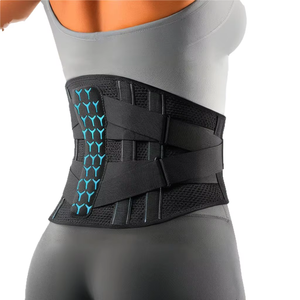
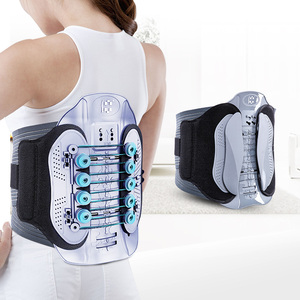
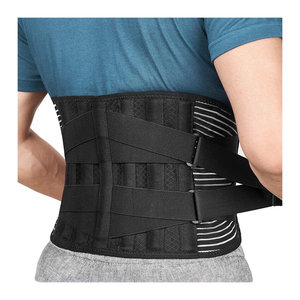
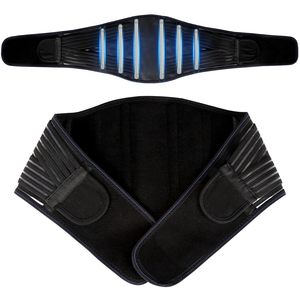
Executive Summary: The Strategic Orthopedic Sourcing Landscape in Istanbul
Istanbul, positioned at the cross-roads of Europe and Asia, has rapidly evolved into one of the Mediterranean region's most prominent hubs for advanced orthopedic care, emergency trauma management, and international health tourism. Serving a metropolitan population exceeding 15.8 million residents alongside over 1.4 million annual medical tourists, the Istanbul healthcare ecosystem demands an unwavering supply of high-precision orthopedic immobilizers, rigid knee splints, and biomechanical stabilization braces. For medical device distributors, pharmaceutical wholesalers in hubs like Cağaloğlu, Fatih, and Kadıköy, and hospital procurement boards across public Şehir Hastaneleri (City Hospitals) and private networks (such as Acıbadem, Memorial, and Medical Park), securing direct-from-factory OEM/ODM partnerships with top-tier Chinese manufacturers is no longer merely a cost-reduction exercise—it is a critical strategic imperative for supply chain resilience and clinical excellence.
This industry white paper examines the engineering parameters, clinical indication protocols, local market regulatory hurdles (specifically Turkey's ÜTS / TİTUBB registration framework), and economic trends governing the import and distribution of medical knee immobilizer splints and orthoses from specialized Chinese factories into the Istanbul market.
Biomechanical Engineering Standards for Knee Immobilizers & Orthoses
A knee immobilizer splint is not simply a fabric wrap with rigid insertions; it is an anatomically tuned dynamic immobilizer designed to maintain zero-degree extension or controlled angular restriction following major ligamentous disruption, patellar fractures, or post-operative reconstructive surgery. Top-tier Chinese medical brace factories utilize sophisticated structural metallurgy and textile engineering to meet modern clinical mandates:
1. Anatomically Molded Aluminum Alloy Stays (AL-6061-T6)
The primary load-bearing structural component of a premium immobilizer splint relies on rigid posterior and collateral stays. Premium Chinese factories utilize aerospace-grade 6061-T6 aluminum alloy panels treated with anti-corrosive anodization. These stays provide high flexural modulus to prevent mechanical deformation under muscular spasms while remaining cold-malleable, allowing orthopedic surgeons in trauma units like Başakşehir Çam ve Sakura City Hospital to contour the stays precisely to patient-specific femoral and tibial anatomical curvature.
2. Micro-Climate Management & 3D Breathable Laminates
Istanbul experiences significant seasonal temperature shifts, ranging from cold humid winters to hot Mediterranean summers. Sub-standard neoprene supports frequently cause skin maceration, contact dermatitis, and surgical site infections due to moisture trapping. Advanced factories deploy tri-laminate perforated foam, plush foam linings, and 3D knit spacer fabrics. These materials feature high Moisture Vapor Transmission Rates (MVTR > 2800 g/m²/24h), maintaining skin dryness even during extended 6-to-8 week post-op immobilization protocols.
3. Patellar Stabilization & Anti-Slip Friction Architecture
Distal migration (slipping down the calf) is the leading cause of patient non-compliance in traditional three-panel knee splints. Modern Chinese designs integrate anti-skid silicone friction strips along the inner circumferential borders, complemented by an open-patellar anatomical foam ring that reduces direct pressure on fragile post-surgical incisions while restricting lateral displacement of the patella.
Localized Application Scenarios in the Istanbul Healthcare Ecosystem
Regulatory & Economic Trends in Turkey’s Medical Device Sector
Navigating the Turkish medical orthotics market requires a thorough understanding of localized regulatory mechanisms and macroeconomic shifts:
1. ÜTS (Ürün Takip Sistemi) & TİTUBB Compliance Requirements
In accordance with Turkey's Ministry of Health (T.C. Sağlık Bakanlığı) guidelines, all medical devices imported into the country must be registered on the national ÜTS (Product Tracking System) database. This system tracks medical products from point of entry to patient utilization. To register products successfully, Turkish distributors require comprehensive technical files from Chinese manufacturers, including:
- CE Certificate of Conformity issued by an EU Notified Body under MDR 2017/745.
- ISO 13485:2016 Quality Management Certification covering orthotic manufacturing lines.
- Biocompatibility test reports (ISO 10993-5 Cytotoxicity and ISO 10993-10 Irritation/Sensitization).
- Bilingual Instructions for Use (IFU) and clinical evaluation summary reports (CEAR).
2. SGK Reimbursement & SUT (Sağlık Uygulama Tebliği) Pricing Dynamics
The Social Security Institution of Turkey (SGK) establishes strict reimbursement limits under the Health Implementation Communiqué (SUT). Given local currency fluctuations, hospital purchasing committees are subjected to strict budgetary caps. Sourcing directly from verified Chinese factories allows Istanbul distributors to bid competitively in public tender processes (DMO - Devlet Malzeme Ofisi) while maintaining viable profit margins that European imported brands can no longer support.
3. Maritime Logistics to Istanbul Ports (Ambarlı & Haydarpaşa)
Direct ocean freight lanes connecting major Chinese ports (Ningbo, Shanghai, Shenzhen) to Istanbul’s primary container hubs—Ambarlı (European side) and Haydarpaşa / Yılport (Asian side)—offer transit times of approximately 22 to 28 days. Experienced Chinese exporters provide complete FOB/CIF documentation including EUR.1 forms, Certificate of Origin (Form A/CO), and customized HS Code declarations (typically 9021.10 for orthopedic appliances) to streamline customs clearance through Turkish Bayraktar customs branches.
Frequently Asked Procurement Questions
Essential insights for Turkish medical device importers, hospital buyers, and orthopedic sales agents sourcing from China.
Why Partner With Our China Manufacturing Facilities?
Delivering end-to-end orthopedic device production with clinical integrity, high-throughput capability, and competitive advantage.
Request Factory Direct Quotations & Product Samples
Are you an orthopedic distributor, medical device importer, or hospital procurement manager in Istanbul or the wider Marmara region? Contact our engineering team today for technical catalogs, sample evaluation packages, and OEM price lists.
Contact Us