Featured Medical & Orthopedic Support Systems
Explore our CE, FDA, and ISO 13485 certified orthopedic support braces engineered for medical distributors, rehabilitation clinics, and sports gear brands worldwide.
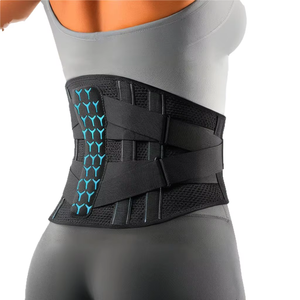
3D Knit Healthcare Breathable Adjustable Double Pull Compression Lumbar Belt
Feature: Dual-traction pulley system with spine stabilization stays.
OEM Option: Custom logo print & colorways available.
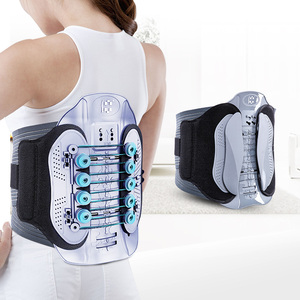
Alphay Spinal Care Elastic Back Support Belt for Sciatica & Pain Relief
Application: Clinical lumbar care, post-op immobilization.
Certification: FDA, CE, ISO 13485 Compliant.
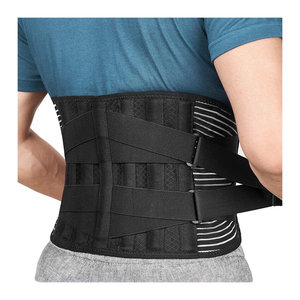
Medical Lumbar Support 6 Stays Anti-Skid Waist Brace for Men & Women
Design: Anti-slip silicone strip interior with dual wrap strap.
Moq: 200 Pcs for Custom OEM Branding.
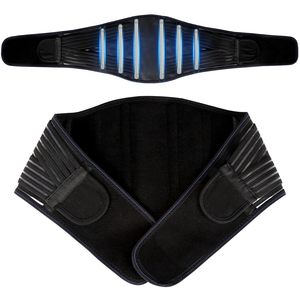
Breathable Lumbar Support Belt for Sciatica, Herniated Disc & Scoliosis Relief
Function: Heavy duty work compression & lumbar spine core realignment.
Sizing: S to 4XL Extended Ergonomic Range.
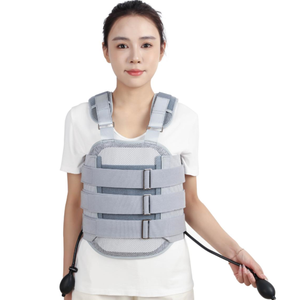
TLSO Thoracolumbar Full Back Adjustable Support Brace Belt for Fracture Fixation
Target: Thoracic spine immobilization & kyphosis posture adjustment.
Clinical Grade: Hospital supply & orthopedic prescription ready.
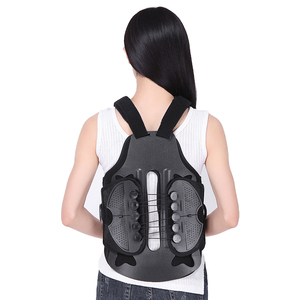
Factory Direct Pulley-System Lumbar Spine Fixator Brace for Sports Safety
Material: High-density Mesh & Soft Neoprene Padding.
Export: Direct factory wholesale pricing available.
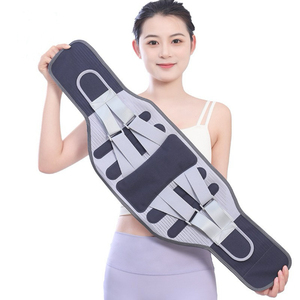
Adjustable 3D Biomimetic Widened Support Bar Lumbar Protective Brace Belt
Material: Hypoallergenic Neoprene Composite Fabric.
Service: Full ODM design, logo embossing & barcode packaging.
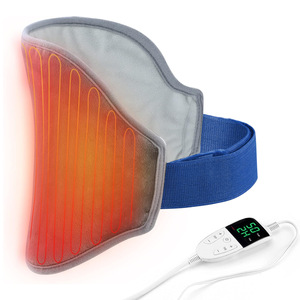
Thermal Gravity Pressure Heated Lumbar Support Belt with Temperature Control
Function: Thermal therapy for severe back strain & muscle stiffness.
Power: USB rechargeable / 3-stage thermal regulation.
Executive Summary: Sourcing Neoprene Ankle Support Sleeves in 2025
The global demand for high-performance orthopedic braces and neoprene ankle support sleeves has experienced unprecedented growth over the past five years. Driven by rising sports participation, an aging global demographic requiring musculoskeletal stability, and growing clinical preference for non-invasive conservative treatment of joint instability, international procurement specialists face complex decisions when selecting OEM/ODM partners.
Neoprene (Chloroprene Rubber / CR) remains the undisputed gold standard material for compression ankle sleeves due to its uniform thermal insulation, superior elastic recovery, high mechanical tear resistance, and omnidirectional joint containment. However, variations in raw neoprene formulations (CR vs. SBR vs. SCR), lamination textile choices (OK fabric, Mercerized Velvet, Nylon Spandex), and manufacturing precision create significant variance in clinical efficacy, user compliance, and long-term durability.
Core Material Science: What Separates Premium Suppliers
Neoprene Rubber Formulation (CR vs. SCR vs. SBR)
Tier-1 factories utilize CR (Chloroprene Rubber) or high-grade SCR blends containing over 70% pure chloroprene. This provides optimal memory retention, preventing sleeve bagginess after prolonged wearing and heavy athletic use.
Micro-Perforated Air-Prene Ventilation
To overcome standard neoprene's heat retention during active sports, advanced manufacturers punch precision micro-perforations through the rubber core before lamination, enabling 300% greater air permeability without sacrificing compression integrity.
Anatomical 3D Pattern Engineering
Superior suppliers utilize computer-aided pattern grading that accounts for malleolar contours, Achilles tendon motion, and plantar arch tension, ensuring zero bunching at the anterior ankle flex zone.
Technical Specification Matrix: Neoprene Grade Comparison
Use this technical evaluation benchmark when requesting chemical testing reports (SGS/TÜV) and factory audit specs from prospective ankle sleeve suppliers:
| Evaluation Parameter | 100% CR Neoprene (Medical Grade) | SCR Neoprene Blend (Clinical/Sports) | Standard SBR (Commercial Grade) |
|---|---|---|---|
| Primary Composition | 100% Chloroprene Rubber Polymer | 70% CR / 30% SBR Polymer Blend | 100% Styrene-Butadiene Rubber |
| Tensile Strength & Elastic Recovery | Ultra-High (> 98% memory after 1000 flex cycles) | High (> 90% elastic memory recovery) | Moderate (prone to permanent stretching over time) |
| Biocompatibility (ISO 10993) | Passed Skin Irritation & Sensitization Tests | Compliant for non-invasive cutaneous contact | Varies (requires strict chemical screening) |
| Thermal Stability | -40°C to +120°C retention | -20°C to +100°C retention | Limited thermal stability range |
| Target Application | Hospital Orthopedics, Post-Op Rehabilitation | Premium Sports Brands, Retail Pharmacy Lines | Mass Market Promotional & Entry-Level Gear |
| Factory Direct Price Index | Premium Tier ($$$) | Optimal Cost-Performance Balance ($$) | Economy Bulk Purchasing ($) |
Why Partner with BHW Medical Equipment Co., Ltd.
As an established leader among global orthopedic brace manufacturers, BHW Medical Equipment Co., Ltd. brings over 20 years of technical manufacturing expertise to international buyers, healthcare brands, and medical distributors. Operating from our state-of-the-art facility in Xiamen, Fujian, China, we specialize in high-precision sewing, plastic injection molding, aluminum stay bending, and clean-room assembly of orthopedic devices.
International Certifications
Our facility operates under strict ISO 13485:2016 Quality Management Systems. All orthopedic braces and neoprene supports are registered with the US FDA and carry official CE compliance certification for seamless global importation.
Full-Spectrum OEM/ODM Customization
Whether you require private-label logo embossing on existing neoprene sleeves (low MOQ 200 pcs) or complex custom tooling for rigid polymer hinged stays, our in-house engineering team executes rapid 3D prototyping and production tooling.
3-Tier Quality Inspection Protocol
Every production run undergoes raw material incoming inspection (IQC), line process control (IPQC), and 100% finished product check (FQC) to ensure zero defective seams, consistent compression gradient, and spotless packaging.
Future Procurement Trends in Neoprene Sleeve Manufacturing
Navigating the next 5 years of orthopedic product procurement requires alignment with emerging market trends, environmental directives, and technical material evolutions:
1. Transition Toward Bio-Based Eco-Neoprene (Limestone & Recycled Rubber)
Traditional neoprene is synthesized from petroleum derivatives. Leading global brands are aggressively shifting toward limestone-based neoprene (chloroprene synthesized from calcium carbonate derived from natural limestone) and recycled tire rubber formulations. Limestone neoprene boasts a closed-cell nitrogen structure that is 23% denser, 30% warmer, and significantly lighter than petroleum neoprene, reducing global carbon footprints by up to 50%.
2. Seamless Ultrasonic Bonding & Flatlock Stitches
Conventional zig-zag sewing creates bulk seams that cause friction hot-spots and blisters under athletic footwear. Procurement trends lean toward ultrasonic seam welding combined with thermo-bonded TPU film reinforcements. This yields a seamless profile that slides smoothly into cleats, ski boots, or running shoes while extending seam tensile resistance by 40%.
3. Integrated Targeted Dynamic Compression & Kinesiology Taping Strips
Next-generation ankle sleeves integrate localized silicone printing or high-durometer TPU film overlays directly onto the neoprene sleeve exterior. This mimics functional kinesiology taping, providing proprioceptive bio-feedback to the joint while reinforcing lateral ligament stability without adding cumbersome rigid plastic hinges.
Frequently Asked Questions (B2B Sourcing FAQ)
Common inquiries from international buyers, medical device importers, and brand procurement directors.
Ready to Partner with a Certified Orthopedic Manufacturer?
Contact our engineering and export team today to receive instant factory quotes, request free material swatches, or initiate custom sample development for your brand.
Inquire Now