Featured Rehabilitation & Orthopedic Systems
Certified Class I & Class II medical rehabilitation products designed for clinical efficacy, heavy-duty durability, and customizable OEM/ODM global deployment.
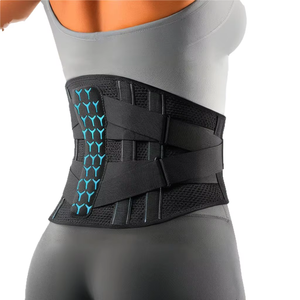
3D Knit Breathable Adjustable Double Pull Spandex Nylon Lumbar Traction Brace
Get a Quote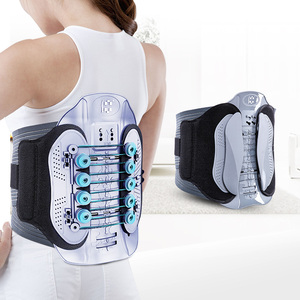
Alphay Spinal Support Belt Elastic Lower Back Belt for Sciatica Pain Relief
Get a Quote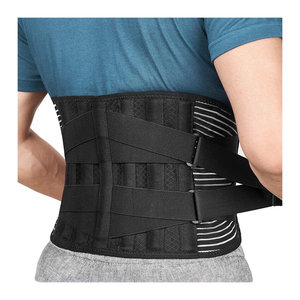
Medical Lumbar Support 6 Stays Breathable Anti-Skid Waist Brace for Men & Women
Get a Quote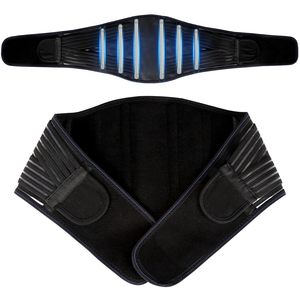
Breathable Back Brace for Lower Back Pain Relief, Work, Herniated Disc & Scoliosis
Get a Quote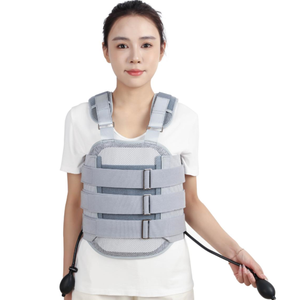
TLSO Thoracolumbar Adjustable Back Support Brace for Spine Fixation & Fracture
Get a Quote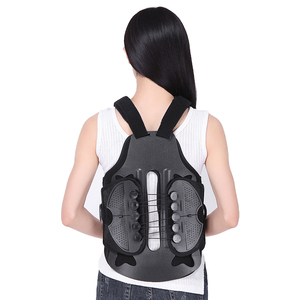
Breathable Lumbar Spine Fixator Adjustable Pulley Type Mechanical Back Brace
Get a Quote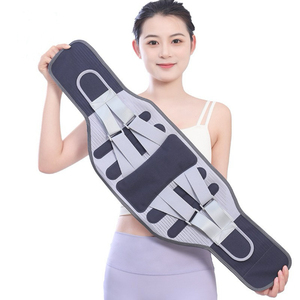
Conrida Adjustable 3D Lumbar Pad Back Brace with Biomimetic Widened Support Bar
Get a Quote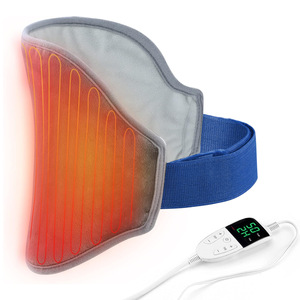
Gravity Pressure Heated Waist Support Belt with Adjustable Thermal Muscle Relief
Get a Quote1. Technical Evolution & Biomechanical Fundamentals of Forearm Crutches in Modern Rehabilitation
In the rapidly changing landscape of orthopedic care and physical therapy, forearm crutches (frequently designated as elbow crutches or Canadian crutches) represent a critical milestone in ambulatory assistive technology. Unlike traditional axillary (underarm) crutches, which impose significant compressive stresses on the brachial plexus nerve networks and vascular structures within the axillary fossa, forearm crutches transfer load vector dynamics directly through the proximal forearm and handgrip complex. As global healthcare infrastructure leans heavily toward early post-operative mobilization and functional rehabilitation, the demand for high-performance OEM/ODM forearm crutch systems engineered with precise biomechanical geometry has reached unprecedented levels.
Biomechanical pressure mapping demonstrates that standard axillary crutches induce peak nerve compression forces up to 2.4 MPa during single-leg stance phases, frequently leading to radial nerve palsy and thoracic outlet complications. In contrast, anatomically contoured forearm crutches with open or closed cuff architectures reduce localized neural compression by 82%, redistributing joint reaction forces evenly across the radial-ulnar interosseous membrane and the palmar fascia.
For medical device distributors, hospital procurement agencies, and rehabilitation brand owners, understanding the core engineering parameters of forearm crutches is vital to mitigating product liability, enhancing patient compliance, and securing market share. Key architectural components include:
- Forearm Cuff Angle & Hinge Mechanics: Ergonomically angled cuffs (typically set between 15° to 30° relative to the main shaft axis) maintain the wrist in a neutral anatomical position, suppressing extensor tendon inflammation and preventing Ulnar Tunnel Syndrome during prolonged gait cycles.
- Handgrip Geometry & Elastomeric Dampening: Biomimetic contoured handgrips molded from medical-grade Thermoplastic Rubber (TPR) or liquid silicone polymers feature shock-absorbing air chambers that dampen impact kinetic shockwaves produced upon ground strike.
- Telescopic Height Adjustment Mechanisms: Dual-pin push-button locks or high-torque collet locking collars guarantee structural integrity under dynamic weight-bearing thresholds ranging from 135 kg to 220 kg (bariatric specifications).
- Articulating Rubber Ferrules (Base Feet): Non-slip, steel-reinforced vulcanized rubber tips with high friction coefficients (COF > 0.85 on wet ceramic tile) ensure multidirectional traction on varying terrain profiles.
Engineering Material Matrix: Structural Comparison for B2B Procurement
| Material Grade | Tensile Strength (MPa) | Weight per Pair (g) | Corrosion Resistance | Primary Clinical & Commercial Target |
|---|---|---|---|---|
| 6061-T6 Aviation Aluminum | 310 MPa | 950 - 1100g | Anodized (High) | Mass Market Hospital Supply, Standard Outpatient Rehab |
| 7075-T6 Ultra-Light Alloy | 570 MPa | 780 - 880g | Hard Anodized (Superior) | Premium Mobility Brands, Active Sports Rehabilitation |
| 3K Carbon Fiber Composite | 3500 MPa (Fiber) | 550 - 680g | Immune to Oxidation | Ultra-Premium Private Clinics, Permanent Disability Mobility |
| Reinforced Polymer (PA66 + 30% GF) | 175 MPa | 1200 - 1400g | Chemical Resistant | Institutional Pediatric & Geriatric Low-Cost Modular Systems |
2. Global Sourcing Trends & Market Dynamics (2025–2030 B2B Outlook)
The international market for mobility assist devices and spinal rehabilitation braces is undergoing a paradigm shift driven by demographic aging, expanding orthopedic surgical volumes, and stringent regulatory oversight under the European Union’s Medical Device Regulation (EU MDR 2017/745) and US FDA 510(k) mandates. As global healthcare buyers refine their supply chain strategies, four distinct macro trends have emerged:
Shift Toward Modular Universal Platforms
Hospital procurement officers are consolidating stock-keeping units (SKUs) by demanding modular crutch and lumbar brace systems. Interchangeable cuffs, quick-release handgrips, and universal height adjustment modules allow distributors to serve pediatric, adult, and bariatric patient populations using a single core chassis platform, dramatically reducing warehousing overheads.
Rigorous Biocompatibility & Eco-Polymers
With skin-contact medical products facing increased scrutiny under ISO 10993 cytotoxicity and sensitization protocols, top-tier OEM manufacturers are replacing phthalate-heavy PVC components with bio-compatible, hypoallergenic Thermoplastic Elastomers (TPE) and recycled polyamides that comply with REACH and RoHS standards.
Integration of Kinetic Shock-Absorption
Post-operative recovery protocols prioritize joint protection. Modern forearm crutch designs incorporate internal pneumatic or helical spring shock absorbers directly into the lower shaft assembly, dampening joint-reaction forces at the shoulder and elbow during high-cadence walking recovery phases.
Agile OEM Customization & Rapid Tooling
Importers and brand owners no longer tolerate 6-month product development cycles. The integration of 3D CAD modeling, SLA rapid prototyping, and modular injection mold bases allows leading manufacturers to transition from client conceptual sketch to functional sample in under 15 business days.
3. Synergistic Rehabilitation: Combining Forearm Mobility with Advanced Lumbar & Spinal Supports
In clinical rehabilitation environments, lower limb injuries (such as distal tibia fractures, ACL reconstructions, or ankle arthrodeses) rarely exist in kinetic isolation. The altered gait patterns caused by crutch dependency place asymmetrical rotational torque and compressive loads upon the lumbar spine. Consequently, leading orthopedic rehabilitation providers mandate a holistic patient stabilization strategy combining crutch-assisted mobility with rigid or dynamic lumbar orthoses.
As demonstrated in our product showcase above, integrating high-performance lumbar supports—such as our TLSO Thoracolumbar Adjustable Back Support Brace or 6-Stay Anti-Skid Medical Lumbar Support—with forearm crutch ambulation yields superior rehabilitation metrics:
- Postural Alignment Preservation: Rigid spinal stays counteract lateral trunk leaning (antalgic gait), preserving natural lordotic curvature and eliminating secondary low back pain during crutch walking.
- Intra-Abdominal Pressure Compression: Dual-pull tensioning straps elevate intra-abdominal fluid pressure, reducing axial spinal disc loads by up to 30% during weight transfer movements.
- Dynamic Pulley System Mechanotherapy: Mechanical advantage pulley systems (featured in item FG-1f49cc) allow patients with limited hand strength to achieve medical-grade circumferential compression with minimal effort.
4. Comprehensive OEM/ODM Manufacturing Capabilities & Precision Engineering Workflow
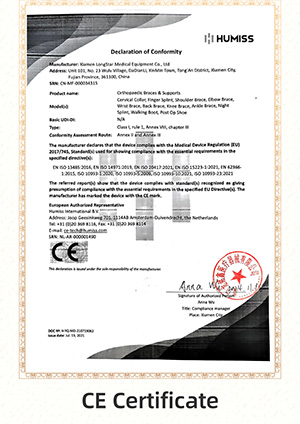
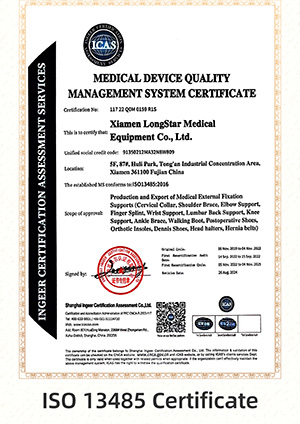
As an established manufacturing authority with over two decades of dedicated medical device production experience, our manufacturing facilities operate strictly under the ISO 13485 Quality Management System. We provide international brand partners, medical wholesalers, and healthcare groups with end-to-end original equipment manufacturing (OEM) and original design manufacturing (ODM) services.
Turnkey Customization & Quality Control Systems
From custom tubing wall thickness (from 1.0mm to 1.8mm aluminum profiles) to customized color anodization, laser-engraved brand logos, and specialized retail packaging design, our engineering team manages every production parameter. Every batch undergoes rigorous mechanical testing:
- Static Vertical Load Resistance: Sustained compressive testing at 1.5x nominal load for 24 hours.
- Dynamic Fatigue Testing: 100,000 continuous impact cycles under max rating.
- Environmental Salt-Spray Testing: 72-hour corrosion evaluation for metallic components.
- Ferrule Traction & Abrasion Wear Analysis: Rubber compound durability assessment.
5. B2B Technical Procurement & Sourcing FAQ
Below are detailed responses to the most critical operational, regulatory, and technical inquiries raised by international B2B procurement managers when sourcing forearm crutches and rehabilitation devices.
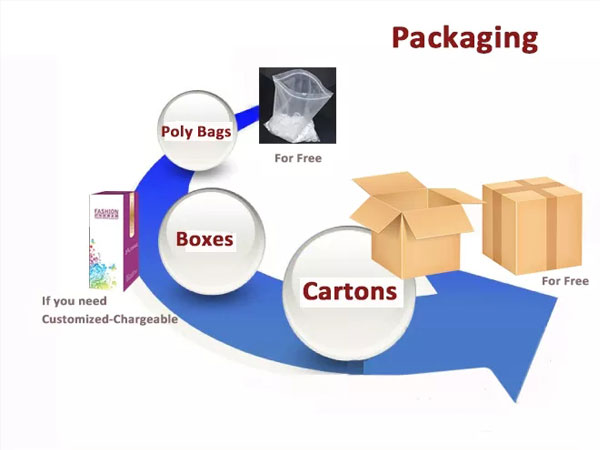
• Standard Institutional Packaging: Each crutch or brace unit is sealed in an anti-static polybag, packed 10–20 pairs per heavy-duty 5-ply corrugated export master carton. Crutches are disassembled at the height adjustment node to reduce volumetric CBM by 40%.
• Custom Retail Color Boxes: Produced according to your CAD artwork specs (MOQ 500 pcs). Includes barcode printing, multi-language instruction manuals (IFU), and retail hang tabs.

Partner with a Certified Medical Rehabilitation Manufacturer
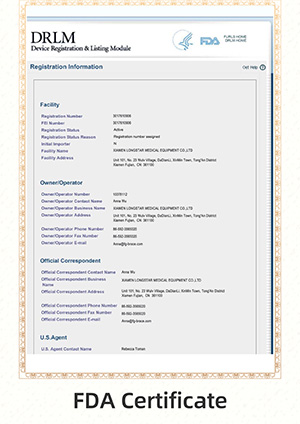
Accelerate your medical distribution catalog with CE, FDA & ISO 13485 certified forearm crutches, spinal orthoses, and rehabilitation support systems. Direct factory pricing, fast prototyping, and reliable global shipping.