Featured Bunion Corrector & Orthopedic Product Portfolio
High-demand medical-grade toe straighteners, dynamic hinged splints, and anatomical gel spacers for international distributors, orthopedic brands, and clinical importers.
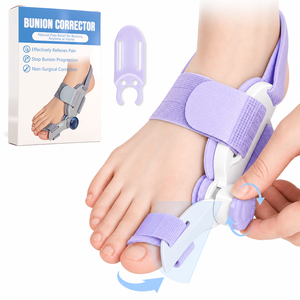
Function: Multi-Angle Tension Correction
OEM: Custom Logo, Color & Packaging
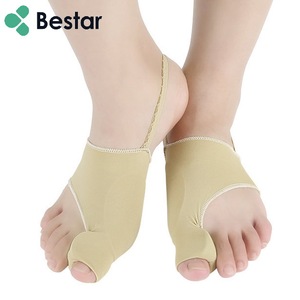
Feature: In-Shoe Wearability & Anti-Friction
Target: Daily Relief & Post-Op Recovery
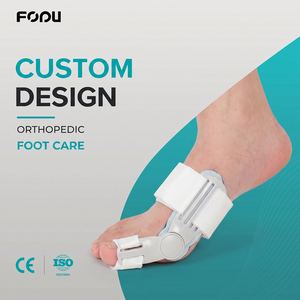
Padding: Memory Foam Cushion Pad
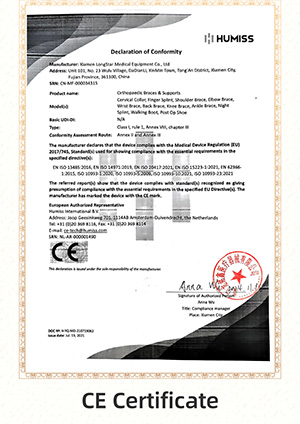
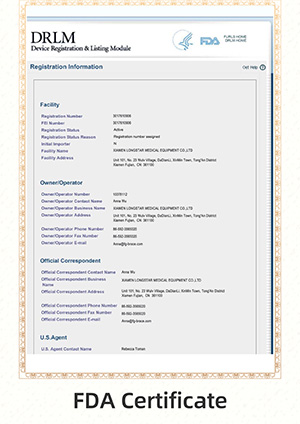
Certification: CE / FDA Registered
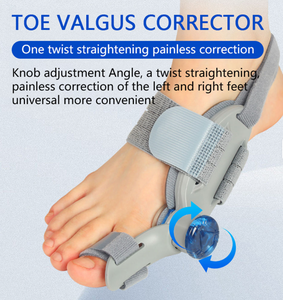
Strap Material: High-Grade Spandex Nylon
Application: Day & Night Dynamic Realignment
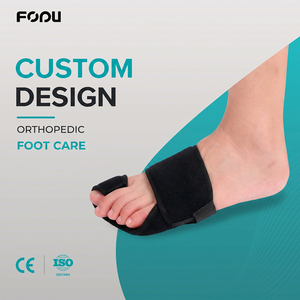
Comfort: Sweat-Absorbing Micro-Fleece
OEM MOQ: 200 Pairs with Custom Box
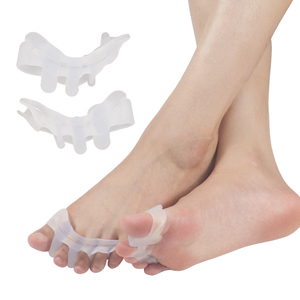
Design: 4-Loop Anatomical Anchor
Durability: Washable & Reusable
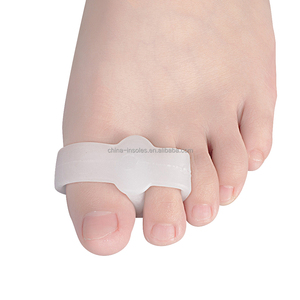
Texture: Ultra-Soft Mineral Oil Injected Gel
Supply: Mass Bulk Packaging Available
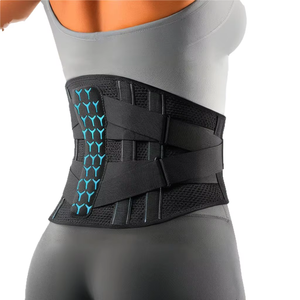
System: Pulley Double Traction Straps
Category: Full Line Orthopedic Portfolio
1. Biomechanical Principles & Engineering Benchmarks of Hallux Valgus Correction
Hallux Valgus (commonly referred to as bunion deformity) is a progressive musculoskeletal disorder characterized by lateral deviation of the great toe and medial deviation of the first metatarsal head. In the global medical device procurement sector, evaluating a Custom OEM Hallux Valgus Bunion Corrector Supplier requires a deep understanding of anatomical realignment mechanisms. High-performance orthotic correctors must address three core clinical vectors: reducing the Metatarsophalangeal Angle (MPA), relieving Intermetatarsal Angle (IMA) tension, and managing soft-tissue elongation around the adductor hallucis tendon.
Modern non-surgical orthoses engineered by leading manufacturers utilize dynamic leverage, continuous low-torque traction, and multi-axis hinged mechanisms. Unlike legacy static splints that locked the foot in a rigid state—causing nocturnal joint discomfort and high patient attrition—next-generation bunion splints incorporate adjustable tension dials and multi-loop silicone spacers. This allows sustained micro-realignment during both sedentary rest and active gait cycles.
| Correction Category | Primary Material Polymer | Biomechanical Action | Clinical Target Group |
|---|---|---|---|
| Dynamic Hinged Splints | Reinforced ABS / Aluminum Hinge + Neoprene | 180° flexion tracking; continuous 1st MTP realignment during gait | Active daytime wear, post-operative rehabilitation |
| Knob-Tension Correctors | Polyamide Cable + Micro-Dial + Porous Foam | Precision millimeter-level angle adjustment (0° to 40° tensioning) | Moderate to severe progressive bunion deformity |
| Silicone Gel Separators | Medical SEBS (Styrene-Ethylene-Butylene-Styrene) | Interdigital cushion spacing; pressure redistribution | In-shoe wearability, prevention, mild hallux alignment |
| Night Alignment Straps | Laminated Elastic Nylon + Malleable Aluminum Bar | Static nocturnal stretch; adductor hallucis tendon unloading | Nocturnal corrective therapy, rigid hallux stabilization |
2. Market Growth Drivers & Product Evolution Trends (2025–2030)
The global orthopedic foot orthotics market is undergoing a rapid transition toward personalized, breathable, and hybrid correction systems. According to international healthcare supply chain analytics, the demand for non-invasive foot correction devices is projected to grow at a CAGR of 6.8% through 2030. Key macro drivers include the rising prevalence of forefoot disorders due to footwear choices, an aging global population, and an increasing preference for home-based conservative podiatric care.
To capture market share, healthcare brands and medical device importers must align with three main evolutionary trends in bunion corrector design:
- Micro-Adjustable Tension Integration: Rotary dial tensioning systems (similar to BOA lock mechanisms) are rapidly replacing traditional Velcro straps, enabling patients to fine-tune correction angles incrementally as toe alignment improves.
- Biocompatible Hybrid Polymers: Transitioning from standard PVC/TPE to high-purity medical SEBS gel and hypoallergenic, skin-friendly neoprene laminates that prevent dermatological irritation during extended wear.
- Ultra-Low Profile In-Shoe Compatibility: Engineering dual-loop silicone toe spacers and ultra-thin elastic sleeves that fit inside standard athletic footwear, work boots, and dress shoes without compromising foot room.
3. Future B2B Procurement Trends for Global Medical Supply Chains
Sourcing orthopedic products in a post-disruption global economy demands greater flexibility, regulatory transparency, and factory direct customization capabilities. When vetting a Custom OEM Hallux Valgus Bunion Corrector Supplier, international buyers are shifting away from pure price-per-unit evaluation toward holistic total-cost-of-ownership (TCO) benchmarks.
4. Enterprise Advantage & Manufacturing Authority: BHW Medical Equipment Co., Ltd.
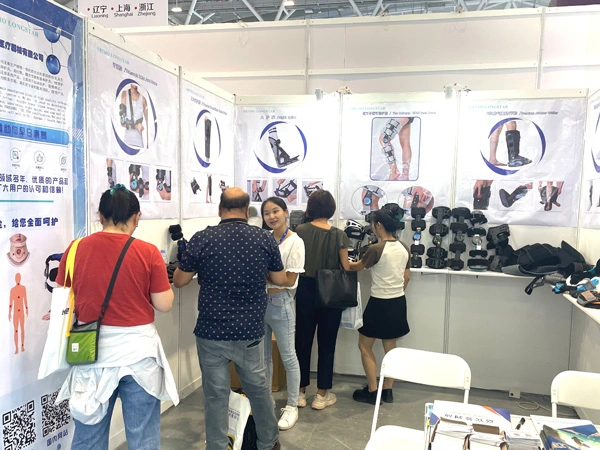
As a leading OEM/ODM manufacturer headquartered in the TongAn Industrial Concentration Area of Xiamen, Fujian, BHW Medical Equipment Co., Ltd. brings over two decades of technical expertise to the global orthopedic device market. Operating under an audited ISO 13485 quality system, our modernized facility manufactures a comprehensive spectrum of foot care orthoses, cervical collars, knee braces, walker boots, and spinal supports.
Our core manufacturing advantages for international B2B partners include:

5. Frequently Asked Questions (FAQ) for B2B Importers & Distributors
Below are technical and operational answers to common queries raised by medical procurement officers, Amazon brand owners, and healthcare distributors:
Our standard OEM MOQ for private logo printing (heat transfer or woven label) on existing product models is 200 pairs. For custom color matching of fabric/silicone or unique packaging design (such as custom printed color boxes), the MOQ is typically 500 units per artwork SKU.
Yes. All silicone products are manufactured from medical-grade SEBS (Styrene-Ethylene-Butylene-Styrene) resin, which is latex-free, non-toxic, odorless, and hypoallergenic. Our textile splints utilize latex-free breathable neoprene, micro-fleece, and OK cloth certified under REACH and RoHS safety guidelines to prevent dermatological reactions during extended skin contact.
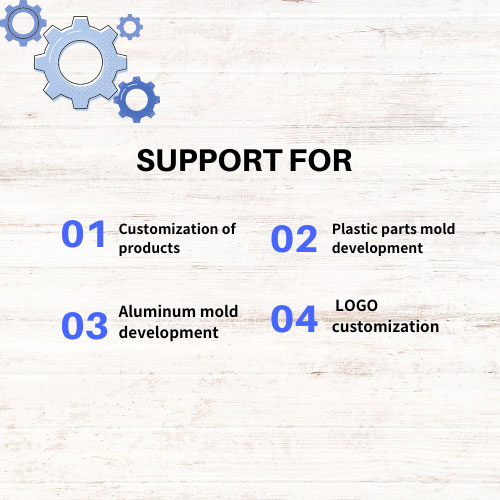
Our engineering team can take your 3D CAD drawing or physical sample and construct custom steel plastic-injection molds and aluminum forging dies. Rapid 3D sample prototyping takes 5–7 working days, while final tooling creation takes 20–30 days depending on mold complexity.
Our standard commercial payment term is a 50% deposit upon order confirmation and the remaining 50% balance before shipment release. We accept T/T (Bank Wire) and PayPal. For logistics, we offer full EXW, FOB Xiamen, CIF, and DDP shipping via sea container, air freight, or door-to-door express couriers (DHL, FedEx, UPS).


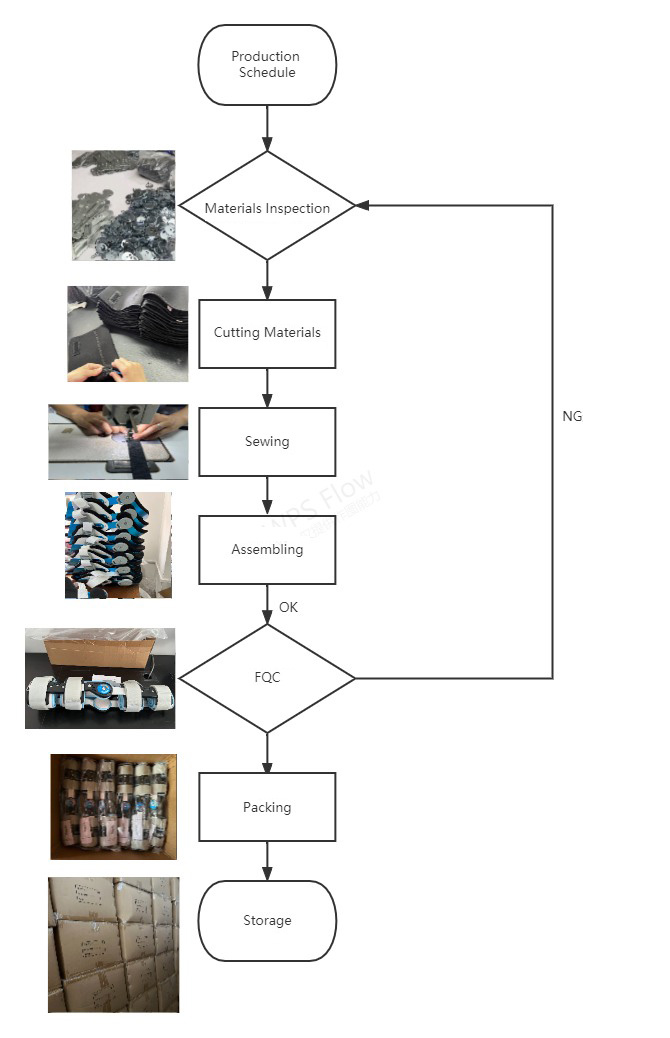
Under our ISO 13485 framework, every production run follows a strict 4-phase Quality Check protocol: 1) Incoming Raw Material Inspection (IQC), 2) First-Article Testing before mass sewing/molding (PQC), 3) In-Process Line Quality Spot-Checks (IPQC), and 4) Pre-Shipment Inspection (FQC) based on AQL 2.5 medical standards. Any defective lot is re-worked prior to warehousing.
Absolutely. We offer a full range of retail-ready packaging solutions including custom color tuck-boxes, frosted slide-lock polybags with hang holes, eco-friendly kraft boxes, and printed insert cards with barcode (UPC/EAN) labeling.
Partner with a Certified Bunion Corrector Manufacturer
Accelerate your medical business growth with factory-direct pricing, fast lead times, and certified quality management. Contact our engineering team today for instant quotations and sample requests.