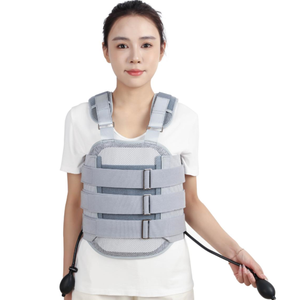
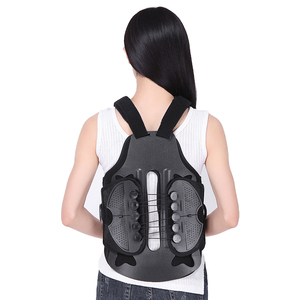
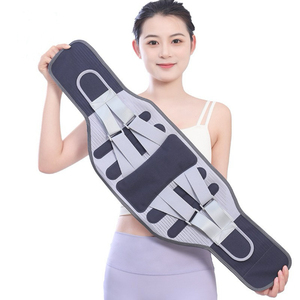
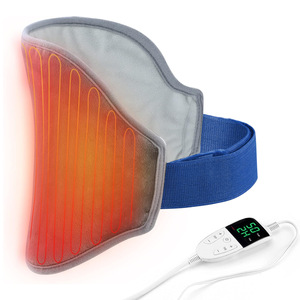
Featured Medical Bracing & Orthopedic Product Series
High-performance medical-grade orthoses manufactured under strict ISO 13485 and FDA compliance standards for global healthcare distributors.
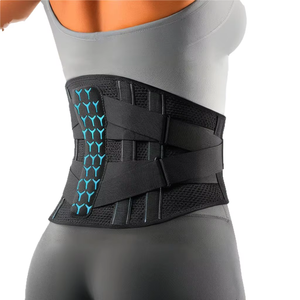
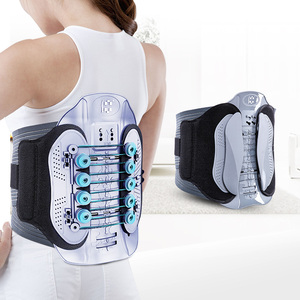
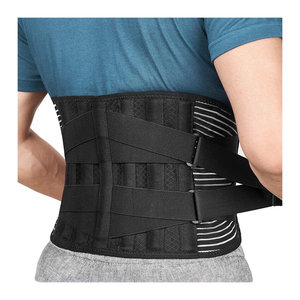
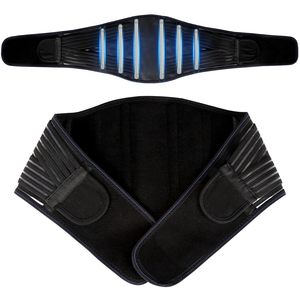
Executive Whitepaper: Strategic Engineering & Sourcing of Custom OEM Carpal Tunnel Wrist Splints
Carpal Tunnel Syndrome (CTS) represents one of the most prevalent musculoskeletal disorders globally, affecting an estimated 3% to 6% of the adult working population. Driven by increased computer usage, industrial manual labor, repetitive assembly tasks, and aging demographics, the demand for clinically effective wrist orthoses has surged. For medical device brand owners, orthopedic distributors, healthcare purchasing networks, and private-label hospital suppliers, partnering with specialized Custom OEM Carpal Tunnel Wrist Splint Factories & Factory partners is no longer merely a manufacturing cost-mitigation tactic—it is a core strategic lever for product differentiation, clinical efficacy, and regulatory compliance.
This technical report delivers actionable intelligence on the anatomical biomechanics, raw material specifications, quality assurance protocols, and global procurement trends governing custom OEM wrist splint production. As a leading manufacturer operating certified cleanrooms and precision fabrication centers, our facility integrates anatomical precision with automated volume production to support top-tier medical brands worldwide.
Key Insight for Medical Sourcing Officers: Clinical trials confirm that immobilizing the carpal canal at a neutral wrist angle (0° flex/extension to 10–15° dorsal extension) minimizes intracarpal pressure from >30 mmHg down to physiological baseline levels (<15 mmHg). Custom OEM splint design must strictly balance rigid stabilization with user compliance features such as breathability, lightness, and moisture management.
Clinical Biomechanics & Ergonomic Engineering Requirements
Designing a commercial wrist splint that achieves both high patient adherence and therapeutic success requires an intimate understanding of wrist anatomy. The median nerve passes through the narrow carpal tunnel alongside nine flexor tendons. Radial or ulnar deviation, along with hyper-flexion or extension, significantly constricts this passageway.
Material Science & Technical Component Architecture
The operational performance of custom OEM wrist splints depends directly on raw material selection. Modern buyers require materials that balance mechanical rigidity with skin-safe, hypoallergenic, and microclimate-regulating properties. Below is an engineering overview of materials utilized across our custom manufacturing lines:
| Splint Component | Standard Material Options | Premium OEM Customization Alternatives | Clinical & Functional Impact |
|---|---|---|---|
| Main Chassis Outer | Porous Neoprene / Nylon Jersey | 3D Air-Knit Spacer Fabric / Recycled PET Mesh | Provides structural elasticity, tensile strength, and multi-directional airflow. |
| Inner Lining | Standard Brushed Polyester | Silver-Ion Antimicrobial Bamboo Charcoal Fleece | Prevents bacterial growth, odor accumulation, and skin breakdown during night wear. |
| Palmar Rigid Stay | Stamped Extruded Aluminum | Anodized 6061 Aluminum / Molded Carbon Fiber Composite | Immobilizes wrist joint; carbon fiber provides ultra-light radiolucency for X-ray visibility. |
| Closure Systems | Nylon Hook-and-Loop Straps | Boa-Style Dial Micro-Adjusters / Injection Molded TPU Straps | Delivers precise, uniform compression without creating isolated tourniquet zones. |
| Edge Binding | Standard Elastic Lycra Tape | Seamless Ultrasonic-Bonded Soft Edge TPU | Eliminates friction chafing against distal palmar crease and web space of the thumb. |
Global Procurement Trends & Industry Forecasts (2025–2030)
The global orthotics and prosthetics supply chain is undergoing structural shifts driven by regulatory evolution, technological convergence, and sustainability mandates. Procurement teams analyzing OEM wrist splint factories must align their product roadmaps with four key industry trends:
1. Shift Toward Eco-Friendly & Recyclable Bio-Polymers
Global medical brand owners face expanding Extended Producer Responsibility (EPR) regulations. Leading OEM factories are replacing traditional oil-derived neoprene with bio-based limestone neoprene, eco-TPU, and GRS-certified (Global Recycled Standard) post-consumer polyester. Manufacturing custom splints using eco-conscious materials grants brand owners a substantial competitive edge in European and North American hospital tenders.
2. Integration of Micro-Dial Closure Systems
Traditional multi-strap hook-and-loop mechanisms are increasingly being augmented or replaced by micro-adjustable dial closures (similar to Boa systems). These systems permit patients suffering from arthritic hand weakness or limited pinch strength to adjust brace compression single-handedly with millimeter-level accuracy, substantially improving compliance.
3. Growth of 3D Scan-to-Knit Customization
Advanced OEM factories are blending mass production lines with digital 3D knitting technology. Utilizing computerized flat knitting machines, factory lines can alter compression zones dynamically across a single continuous fabric layer, eliminating abrasive stitched seams around critical neurological anatomical sites.
4. Strict Regulatory Alignment (MDR & FDA 510k)
With the full implementation of the European Union Medical Device Regulation (EU MDR 2017/745) and heightened US FDA inspection parameters for Class I/II orthopedic devices, procurement officers must source exclusively from facilities maintaining comprehensive Technical Files, ISO 10993 biocompatibility test data, and full material lot traceability.
BHW Medical: Industry Leader in Custom OEM/ODM Splint Manufacturing
With over two decades of dedicated medical device manufacturing, BHW Medical Equipment Co., Ltd. serves as a trusted OEM contract partner for leading orthopedic brands globally. Operating out of our state-of-the-art facility in Xiamen, China, we combine advanced engineering capability with rigorous quality control systems certified to ISO 13485, CE, and FDA standards.
B2B Procurement & Customization FAQ
Below are authoritative answers to common inquiries raised by B2B buyers, medical distributors, and product managers evaluating Custom OEM Carpal Tunnel Wrist Splint Factories.
Strategic Procurement Conclusion: Partnering for Direct Factory Advantage
Selecting an experienced, quality-centric manufacturing partner is essential for orthotics brands aiming to capture market share in an increasingly demanding healthcare sector. By combining biomechanical design, rigorous material sourcing, flexible OEM/ODM terms, and direct factory pricing, BHW Medical empowers brand partners to deliver exceptional patient outcomes while maximizing commercial profit margins.