Direct-from-Factory Hyperextension & Lumbar Orthosis Portfolio
Explore our CE, FDA, and ISO 13485 certified spine support catalog. Engineered for distributor scalability, hospital procurement, and private label ODM/OEM brand deployment worldwide.
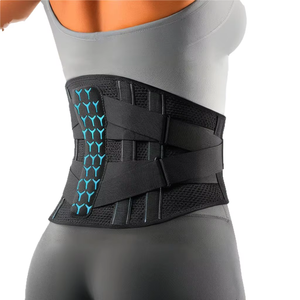
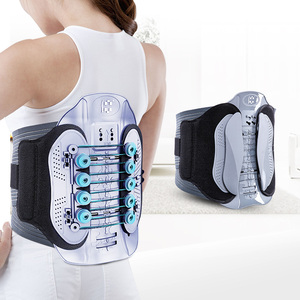
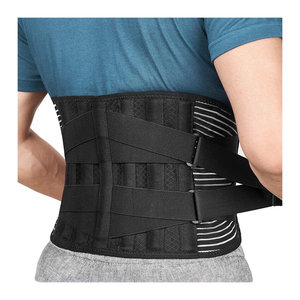
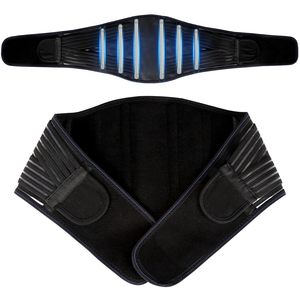
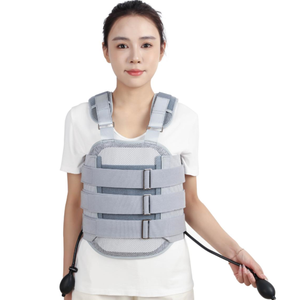
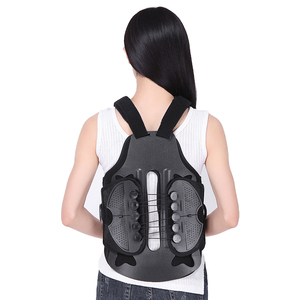
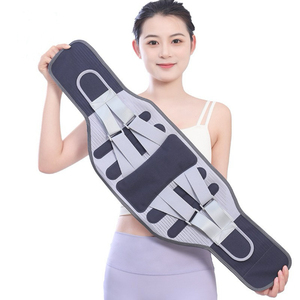
1. Biomechanical Fundamentals of Hyperextension Back Brace Orthoses
In orthopedic rehabilitation and spinal surgery, the Hyperextension Back Brace Orthosis (Jewett & Cruciform Classifications) is a vital non-surgical and post-operative intervention designed to restrict anterior flexion while encouraging hyper-extension of the thoracolumbar spine. For medical device procurement officers, institutional buyers, and orthopedic brand managers, understanding the exact biomechanical mechanics of these devices is essential for optimizing supply chain selection and clinical efficacy.
The primary biomechanical objective of a hyperextension back brace orthosis is the application of a Three-Point Pressure System. This system comprises two anterior pressure pads (positioned at the sternum/subclavicular region and the pubic symphysis) counteracted by a single posterior pad positioned over the mid-to-lower thoracic spinal vector. By establishing opposing force vectors across the sagittal plane, the hyperextension orthosis achieves:
Shifts gravitational load distribution to the posterior column elements (facet joints and lamina), effectively decompressing anterior vertebral body fractures (T10–L2).
Prevents pathological spinal flexion while maintaining normal lordotic alignment, accelerating bony consolidation in osteoporotic compression fractures.
Provides tactile proprioceptive feedback, reducing paravertebral muscle spasm and limiting involuntary abrupt torsional forces during daily mobilization.
China’s manufacturing ecosystem for orthopedic braces has evolved beyond simple structural cut-and-sew operations. Leading OEM/ODM factories integrate advanced finite element analysis (FEA) to design rigid lightweight aluminum alloy frames, anatomical pelvic bands, and dynamic micro-adjustable tensioning mechanisms. This engineering precision guarantees that wholesale buyers receive products capable of maintaining structural integrity under continuous load stress while maximizing patient compliance.
2. Materials Engineering & Manufacturing Specifications
Selecting a high-grade hyperextension back brace manufacturer requires strict evaluation of material composition, structural rigidity metrics, and skin-contact biocompatibility. As a certified medical device factory in China, our manufacturing line leverages aerospace-grade alloys and medical textiles:
| Component Component | Raw Material Standard | Biomechanical Functionality | Factory Compliance Standard |
|---|---|---|---|
| Main Frame Structure | Anodized 6061-T6 Aluminum / T6 Tempered Alloy | Provides rigid 3-point leverage without adding excessive weight; easily contourable to individual patient curvature. | ISO 7148 / Tensile Strength >310 MPa |
| Sternal & Pelvic Pads | High-Density Closed-Cell EVA Foam + Antibacterial PU Coating | Prevents localized pressure sores over bony prominences (sternum, iliac crest); fluid-resistant and easy to sanitize. | ISO 10993-5 (Cytotoxicity Tested) |
| Pulley Tension System | Ultra-High-Molecular-Weight Polyethylene (UHMWPE) Cordage | Delivers a 4:1 or 6:1 mechanical advantage, allowing geriatric or weak patients to apply optimal intra-abdominal pressure easily. | Break load capacity >1200 N |
| Posterior Lumbar Plate | Thermoplastic Polyolefin (TPO) / Ergonomic Molded ABS | Distributes pressure uniformly across L1–L5 vertebrae while offering high impact resistance and long-term fatigue durability. | REACH & RoHS Compliant |
| Textile Lining & Straps | 3D Knit Spacer Mesh Fabric (Polyamide / Spandex Blend) | Promotes micro-climate ventilation, reducing sweat accumulation and skin maceration during extended wear periods. | OEKO-TEX Standard 100 Certified |
3. Global Procurement Trends & Sourcing Intelligence (2025–2030)
The global orthopedic brace market is undergoing significant structural shifts driven by aging demographics, rising rates of osteoporosis, and an increasing preference for non-invasive conservative fracture management. International procurement teams must adapt their sourcing strategy to four primary trends:
Traditional hook-and-loop strap braces are rapidly being superseded by continuous mechanical pulley systems. Buyers are seeking smooth dual-pull ratcheting systems that allow independent upper and lower lumbar compression adjustment.
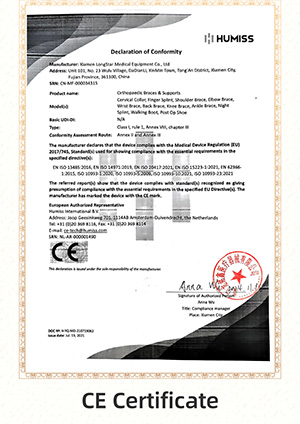
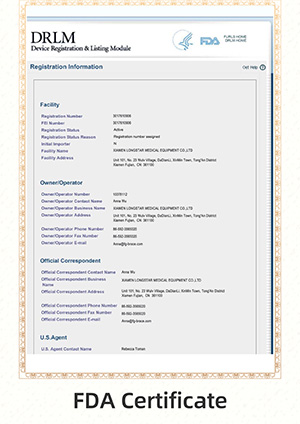
With the full implementation of the European Union Medical Device Regulation (EU MDR 2017/745) and FDA Class II registration enforcement, exporters must supply complete technical documentation (TCF), UDI labeling, and bio-compatibility data.
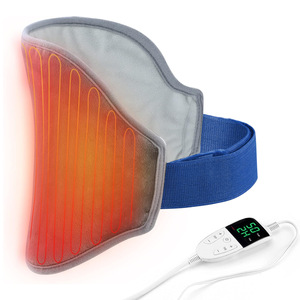
Distributors are prioritizing hybrid products that combine high-rigidity structural support with breathable, moisture-wicking 3D knitted side panels or integrated dynamic thermal/gravity-pressure elements for enhanced compliance.
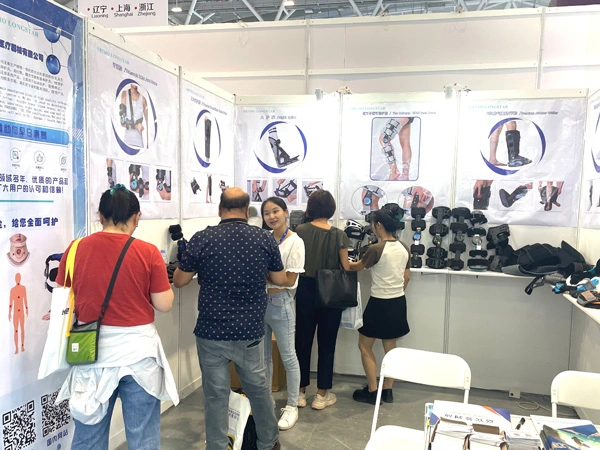
Global Enterprise & Manufacturing Footprint
As a specialized China medical device manufacturer, our modern facilities encompass over 15,000 square meters of production area, equipped with computerized fabric cutting machinery, high-frequency plastic welding units, automated CNC aluminum bending equipment, and cleanroom assembly zones.
We maintain an annual export capacity of over 2.5 million units of orthopedic braces, servicing healthcare brand owners, medical equipment importers, and regional hospital networks across Europe, North America, the Middle East, and Southeast Asia.
4. Quality Control System & OEM/ODM Enterprise Advantages
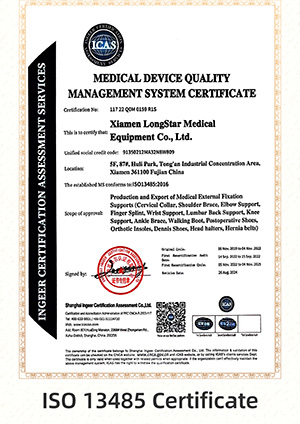
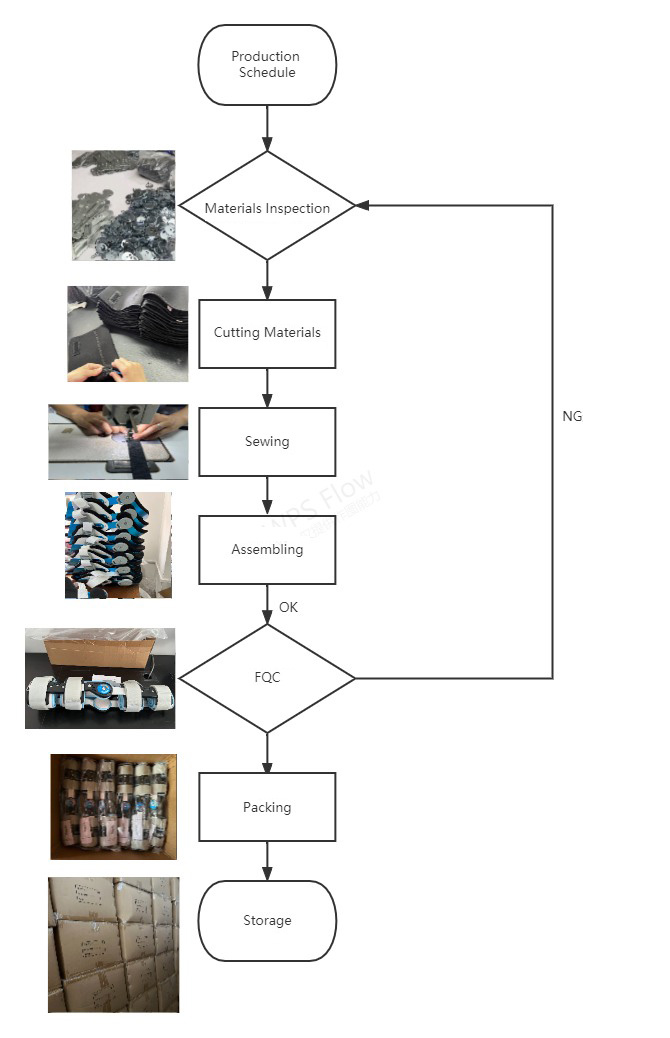
To ensure absolute safety and structural dependability for spinal fracture fixation products, our manufacturing operations adhere strictly to the ISO 13485:2016 Medical Quality Management System. Quality control is built into every phase of production:
1. Incoming Raw Material Inspection (IQC)
2. First-Article Precision Inspection (FAI)
3. In-Process Sewing & Bonding Checks (IPQC)
4. Finished Product Tensile & Fatigue Testing (FQC)
5. Pre-Shipment Outgoing Inspection (OQC)
We provide end-to-end customization services for global partners:
• Custom Logo Printing & Woven Labeling (Low MOQ starting at 200 pcs)
• Custom Colorways & Sizing Scales (S to 4XL)
• Plastic Injection Tooling & Aluminum Die-Casting for proprietary designs.
Optimized production scheduling ensures fast turnaround times:
• In-stock sample dispatch: 3–5 working days
• Custom OEM production lead time: 30–40 days
• Full logistics support: DDP, FOB, CIF, Air Freight, and Express Courier.
Standardized Production Control & Retail Packaging
Every production batch follows strict digital tracking protocols. From raw aluminum extrusion to final sewing assembly, our manufacturing workflow is monitored by ERP systems to eliminate structural variances and ensure 100% dimensional consistency across production runs.
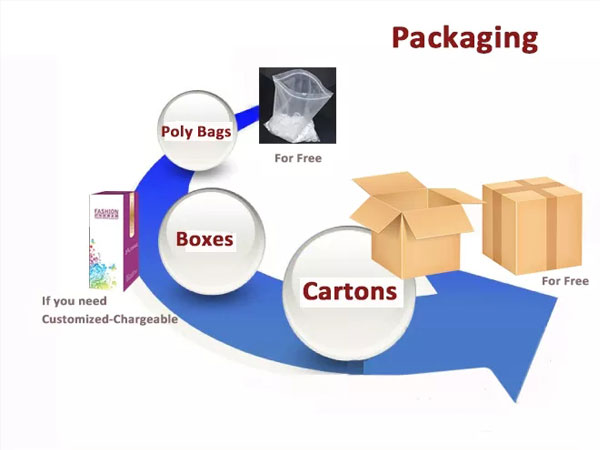
We offer diverse packaging solutions tailored to your retail or clinical distribution channel, including individual dust-proof polybags, branded color gift boxes, hanging header cards, and heavy-duty corrugated export master cartons optimized for container loading efficiency.
5. Comprehensive B2B Sourcing FAQ
Here are detailed technical and commercial answers to the most common questions raised by global distributors, healthcare procurement teams, and OEM brand buyers:
What is the Minimum Order Quantity (MOQ) for custom OEM branding?
How do hyperextension back braces differ from standard TLSO braces?
Are your orthotic products compliant with EU MDR and US FDA regulations?
What packaging customization options do you provide for retail distribution?
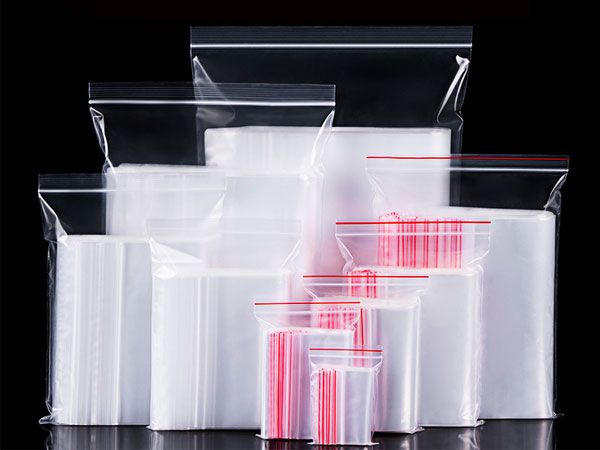
1. Standard neutral clear PE bags with barcoded polybag stickers (Free of charge).
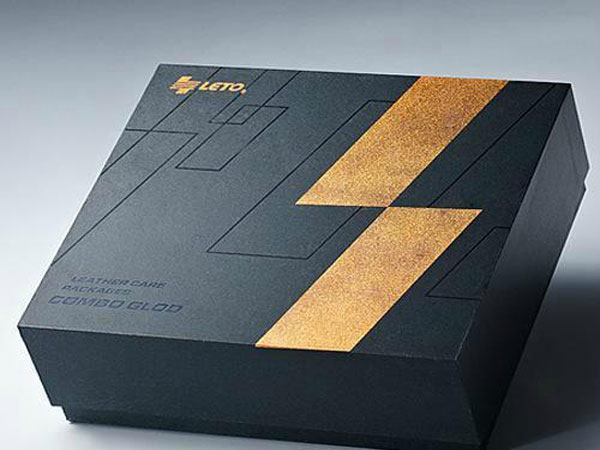
2. Custom printed retail color boxes with your brand layout, embossed foil logos, and internal structural trays (MOQ 500–1000 pcs).
3. Zippered non-woven travel pouches with custom screen-printed branding.
All master cartons are constructed from 5-ply reinforced corrugated cardboard to withstand long-distance ocean and air transport.
What are your standard payment terms and sample evaluation policies?
How do you manage defective products or quality claims?
Partner with China’s Premier Hyperextension Orthosis Manufacturer
Accelerate your medical device business with factory-direct pricing, certified quality standards, and rapid OEM manufacturing. Contact our engineering and export team today to receive a competitive wholesale quotation and product sample kit.