Featured Orthopedic Braces & Pediatric Supports
Explore our ISO 13485 & CE-certified range engineered for clinical biomechanics, posture alignment, and pediatric joint stabilization.
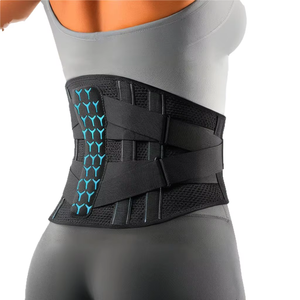
3D Knit Breathable Compression Double Pull Lumbar Support Brace
Get Catalog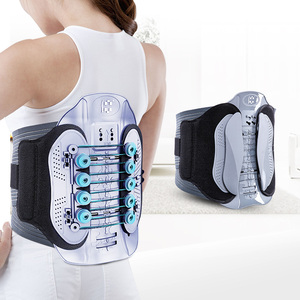
Spinal Support Belt Elastic Lower Back Brace for Pain Relief
Get Catalog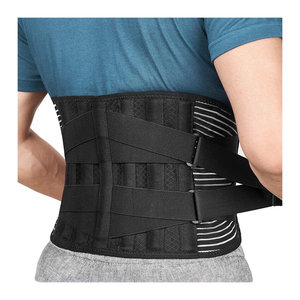
Medical Lumbar Support 6 Stays Breathable Anti-Skid Waist Brace
Get Catalog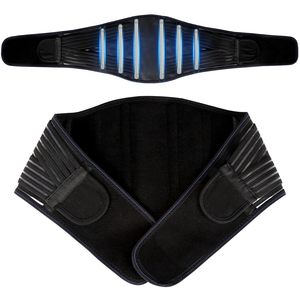
Breathable Back Brace Lumbar Belt for Sciatica & Scoliosis
Get Catalog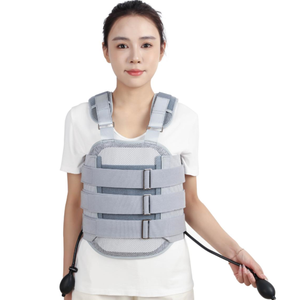
TLSO Thoracolumbar Adjustable Brace for Spine Fixation
Get Catalog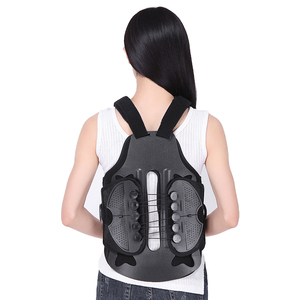
Adjustable Pulley Type Lumbar Spine Fixator Back Support Brace
Get Catalog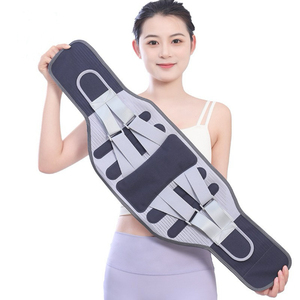
Biomimetic Widened 3D Lumbar Pad Back Protection Support Belt
Get Catalog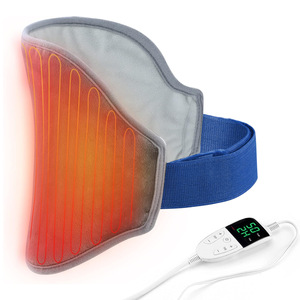
Gravity Pressure Heated Waist Support Thermal Muscle Relief Wrap
Get CatalogPediatric Ankle Foot Orthosis (AFO): Clinical Biomechanics & Sourcing Overview
In modern pediatric orthotics and rehabilitation medicine, a Pediatric Ankle Foot Orthosis (AFO) serves as a crucial biomechanical intervention designed to control lower limb alignment, control sagittal and frontal plane joint motion, facilitate dynamic gait energy efficiency, and protect structural integrity during early childhood growth phases. As medical device procurement executives and clinical distributors evaluate overseas manufacturing partners, understanding the engineering fundamentals, material science, and manufacturing protocols of China’s leading orthotic factories becomes paramount.
Pediatric gait pathologies—ranging from Cerebral Palsy (CP) spastic hemiplegia and diplegia to Spina Bifida, Muscular Dystrophy, and Idiopathic Toe Walking (ITW)—require exact mechanical force vectors. An optimized pediatric AFO must compensate for muscle weakness, reduce spastic tone resistance, prevent fixed equinus contractures, and maintain dynamic foot-ground reaction forces during the stance phase of walking.
1. Structural Classification & Biomechanical Indications
China’s leading export manufacturing facilities utilize high-precision vacuum thermoforming, 3D laser digitizing, and modular articulation assemblies to produce a diverse array of pediatric AFO configurations:
Rigid / Solid Ankle AFO
Constructed from high-density polypropylene (PP) or polyethylene (PE). Restricts plantarflexion and dorsiflexion completely to stabilize severe spasticity, prevent knee hyperextension, and offer maximal tri-planar ankle control.
Articulated / Hinged AFO
Incorporates medical-grade mechanical ankle joints (tamarack, free-motion, or adjustable plantarflexion stops). Permits controlled heel-to-toe gait progression while arresting pathological foot drop during swing phase.
Floor Reaction AFO (FRAFO)
Engineered with a rigid anterior tibial shell. Leverages ground reaction forces to create an extension moment at the knee, correcting crouch gait patterns common in cerebral palsy patients.
| Orthosis Type | Primary Clinical Target | Material Composition | Biomechanical Mechanism |
|---|---|---|---|
| Solid Ankle AFO | Severe Spastic Diplegia, Equinus Deformity | 3mm - 5mm Homopolymer Polypropylene | Total tri-planar motion restriction |
| Hinged / Articulated AFO | Idiopathic Toe Walking, Mild CP, Hemiplegia | PP Shell + Tamarack Flexure Hinges | Free dorsiflexion, plantarflexion stop |
| Posterior Leaf Spring (PLS) | Flaccid Drop Foot, Peroneal Nerve Palsy | Carbon Fiber Composite / Thin PP | Energy-storing dynamic recoil at toe-off |
| Floor Reaction AFO | Crouch Gait, Quadriceps Weakness | Anterior Carbon Composite / Reinforced PP | Ground reaction force knee extension moment |
Pediatric Orthotic Sourcing: Global Trends & Technological Paradigms (2025–2030)
As the international medical supply chain evolves, overseas buyers—including orthopedic hospital chains, regional distributors, and medical device brand owners—are shifting from generic OEM procurement to strategic technology co-development. China’s premier pediatric AFO manufacturing hubs are leading four major industrial transformations:
1. Additive Manufacturing & 3D Digital Workflow
Replacing traditional plaster casting with 3D handheld optical scanning and Selective Laser Sintering (SLS) 3D printing using medical TPU and Polyamide (PA12). This reduces lead times by 65% and yields weight reductions of up to 40%.
2. Biocompatible & Eco-Friendly Materials
Strict adherence to REACH, RoHS, and ISO 10993 cytotoxicity standards. Factories utilize non-allergenic closed-cell EVA paddings, bio-based thermoplastics, and breathable 3D spacer knits to eliminate pediatric skin breakdown.
3. Dynamic BOA Micro-Adjustment Closures
Modern pediatric orthoses are discarding traditional Velcro straps in favor of integrated BOA dial closure systems. This allows parents to achieve exact micro-tension tuning, boosting child wear compliance by over 50%.
2. EU MDR & US FDA Regulatory Framework Compliance
Exporting pediatric orthopedic devices into regulated western markets requires rigorous technical documentation. Chinese manufacturing facilities now standardise complete Technical Files including Risk Management (ISO 14971), Clinical Evaluation Reports (CER), and UDI (Unique Device Identification) labeling under the EU MDR 2017/745 regulation.
Biocompatibility
ISO 10993-5 cytotoxicity & ISO 10993-10 skin sensitization testing on skin-contact lining materials.
Fatigue Resistance
Mechanical stress testing exceeding 1,000,000 gait cycles for dynamic hinges and footplates.
Quality Assurance
ISO 13485 certified clean assembly, batch traceability, and 100% visual/dimensional QC.
Global Dispatch
Custom sterile/retail box packaging, UDI barcode labeling, and DDP direct logistics support.
BHW Medical: Engineering Excellence & Manufacturing Strengths
As a premier Chinese manufacturer specializing in medical-grade orthopedic braces, lumbar supports, post-op footwear, and pediatric orthoses, BHW Medical Equipment Co., Ltd. bridges the gap between high-volume manufacturing cost efficiency and rigorous clinical performance standards.
Integrated Tooling & Molding Shop
In-house CNC machinery and plastic injection molding equipment allow rapid development of custom aluminum molds for pediatric shells, joint hardware, and dynamic hinges.
Flexible OEM / ODM MOQ
We support growing brands and medical distributors with flexible order quantities starting from 200 pcs for custom logo branding, and full white-label packaging production.
Five-Tier QC Inspection
Raw materials undergo strict incoming inspection (IQC), followed by in-process quality checks (IPQC), final functional testing (FQC), and pre-shipment audit (OQC) under ISO 13485 protocols.
Pediatric Orthosis Procurement: B2B Frequently Asked Questions
Gain insights into commercial terms, custom engineering capabilities, compliance certifications, and logistical timelines for international buyers.
Prefabricated pediatric AFOs are produced in standardized anatomical sizes (XS, S, M, L) based on shoe size and calf circumference, offering immediate fitting, lower unit costs, and rapid stock fulfillment for hospitals. Custom-molded AFOs require negative plaster casting or 3D scanning of an individual child's limb, providing specialized biomechanical control for complex anatomical deformities. Our factory supports high-volume manufacturing of both standardized modular AFOs and custom-molded OEM contracts.
Child compliance relies heavily on aesthetic acceptance. We offer complete custom transfer-printing (water-transfer or sublimation printing) on plastic thermoplastic shells featuring cartoon patterns, vibrant colors, and custom brand logos. Additionally, custom embroidered logo straps, branded retail boxes, and user instruction manuals can be tailored with an OEM minimum order quantity of 200–500 units depending on design complexity.
All materials intended for skin contact undergo strict testing. Our polypropylene, polyethylene, EVA foam liners, and silicone pads comply with ISO 10993-5 (In Vitro Cytotoxicity) and ISO 10993-10 (Test for Irritation and Skin Sensitization). Furthermore, our raw materials meet EU REACH and US California Proposition 65 requirements, ensuring zero lead, phthalates, or toxic plasticizers.
For existing stock models, sample delivery takes 5–7 days. For OEM customized branding on existing molds, sample production takes 7–12 days. For completely new product development requiring injection or compression molds, tooling fabrication requires 25–35 days, followed by bulk order mass production of 30–40 days upon sample approval.
Standard payment terms are 30%–50% T/T deposit upon order confirmation, with the remaining balance due prior to shipment release or against Bill of Lading (B/L). We offer FOB, CIF, CFR, and DDP (Delivered Duty Paid) door-to-door shipping solutions via ocean freight, air express (DHL/FedEx/UPS), and rail freight for European customers.
Partner with China's Premier Orthopedic Manufacturing Facility
Looking to expand your pediatric orthotics catalog, develop custom OEM products, or request bulk wholesale pricing? Our engineering team is ready to assist you.
Get Catalog