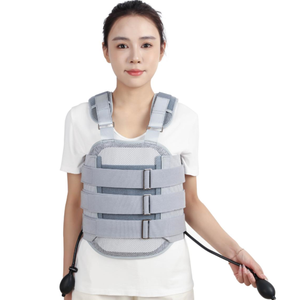
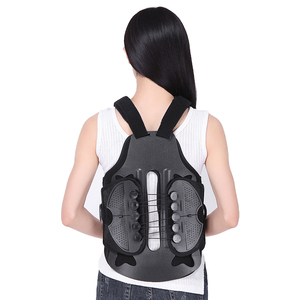
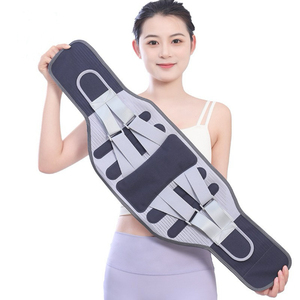
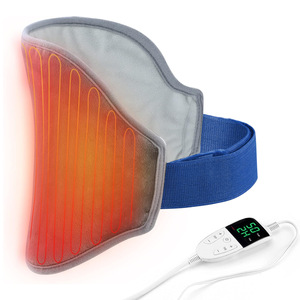
Featured Medical Orthopedic & Rigid Support Braces
Precision-engineered rigid stabilizers, lumbar belts, and orthoses designed for trauma recovery and clinical joint protection.
Rigid Ankle Stabilizer Engineering: Technical & Clinical Whitepaper
A comprehensive examination of biomechanical stabilization, anatomical shell molding, material compliance, and global supply chain dynamics for medical distributors.
The global orthopedic bracing market is experiencing a profound paradigm shift driven by advancing biomechanical research, an aging population requiring non-invasive articular stability, and an increasing incidence of sports-induced ligamentous injuries. Among lower-extremity orthoses, the Rigid Ankle Stabilizer Brace stands as a critical clinical intervention designed to restrict pathologic lateral inversion and medial eversion while preserving necessary sagittal plane dorsiflexion and plantarflexion.
For international medical device buyers, hospital procurement committees, and orthopedic brand distributors, sourcing high-performance rigid ankle braces from China requires a deep understanding of anatomical engineering, material integrity, and regulatory compliance. As a premier Chinese manufacturer certified under ISO 13485, CE, and US FDA standards, BHW Medical Equipment Co., Ltd. delivers clinical-grade rigid stabilizing orthoses that merge rigorous mechanical protection with ergonomic patient compliance.
Anatomical Exoskeleton Shells
Precision-molded High-Density Polypropylene (PP) and Thermoplastic Polyurethane (TPU) bilateral side shells contoured precisely to the medial and lateral malleoli, preventing pathological inversion without causing soft-tissue pressure points.
Subtalar Joint Fixation
Targeted mechanical restraint protecting the Anterior Talofibular Ligament (ATFL) and Calcaneofibular Ligament (CFL) during severe Grade II/III ankle sprains, chronic ankle instability (CAI), and post-surgical syndesmosis repair.
Closed-Loop Micro-Adjustability
Integrated high-tensile hook-and-loop strapping combined with optional BOA-compatible mechanical pulley systems to enable incremental, uniform circumferential compression without compromising local tissue microcirculation.
Biomechanical Information Gain: Protection vs. Dynamic Range of Motion (ROM)
Traditional rigid immobilization often leads to joint stiffness, muscle atrophy, and prolonged rehabilitation cycles. Modern clinical research underscores the necessity of Functional Stabilization. High-tier Chinese rigid ankle brace suppliers utilize semi-rigid hinged lateral uprights and custom memory-foam padding matrices that allow calculated plantarflexion and dorsiflexion while locking out pathologic frontal-plane motion. This biomechanical synergy accelerates ligamentous tissue remodeling while safeguarding against secondary joint trauma.
Material Science Matrix & Construction Engineering
Analyzing raw material performance criteria, thermal resistance, and skin-biocompatibility in medical orthosis manufacturing.
The durability, therapeutic performance, and tactile comfort of a rigid ankle stabilizer brace are directly governed by the polymer chemistry of its structural exoskeleton and the micro-architecture of its soft-goods lining. Chinese OEM manufacturers have evolved beyond basic neoprene assembly to incorporate medical-grade composite thermoplastics and breathable 3D spacer meshes.
| Component Phase | Material Engineering Spec | Biomechanical Function | Clinical Advantage |
|---|---|---|---|
| Rigid Outer Shell | High-Impact Injection Polypropylene (PP) / TPU Composite | Resists up to 45Nm lateral rotational stress; prevents inversion force. | High Strength Lightweight protection under impact. |
| Internal Padding | Open-Cell Memory Foam / High-Density EVA Laminate | Uniform pressure redistribution across bony malleolar anatomical landmarks. | Anti-Bedsore Prevents necrosis and localized skin irritation. |
| Skin-Contact Layer | Antimicrobial, Moisture-Wicking 3D Spacer Fabric | Capillary action air ventilation; thermo-regulation during wear. | Hypoallergenic Ideal for multi-week post-op recovery. |
| Retention Straps | High-Density Nylon Webbing with Reinforced Ultrasonic Welding | Sustained tension retention without elastic fatigue over extended use. | Zero Stretch Maintains precise joint lockdown. |
Future Procurement Trends: Ankle & Lumbar Orthosis Market (2025–2030)
Strategic market analysis for global healthcare distributors, hospital purchasing groups, and private label importers.
The global sourcing landscape for medical bracing is rapidly transitioning. Importers and brand owners can no longer rely purely on low-cost high-volume assembly; modern competitive advantage demands structural innovation, regulatory traceability, and sustainable manufacturing practices. Key industry trajectories shaping the market include:
- Integration of Mechanical Fastening Systems: Micro-adjustable dial closures (e.g., BOA-style pulley lace systems) are replacing conventional Velcro straps in high-end rigid ankle stabilizers, providing uniform millimeter-precise compression.
- Eco-Compliant Polymer Formulations: Heightened European environmental directives (REACH, RoHS) are driving demand for non-toxic, bio-based TPU and recycled polypropylene structural shells that maintain strict tensile integrity while minimizing carbon footprints.
- Modular Hybrid Orthoses: Next-generation braces utilize removable rigid splints, allowing a seamless transition from acute immobilization (Stage 1 trauma) to flexible compression therapy (Stage 3 athletic rehabilitation).
- Regulatory Audit Readiness: Compliance requirements under the EU Medical Device Regulation (MDR 2017/745) and US FDA 510(k) Class II registrations demand fully audited supplier supply chains with rigorous clinical documentation and lot-level traceability.
Why Partner with BHW Medical: Enterprise Strengths
Direct factory manufacturing, rigorous quality control matrix, and dedicated OEM/ODM private-label execution.
In-House Tooling & Mold Workshop
We own custom injection molding machinery, aluminum machining tooling facilities, and automated sewing workshops, allowing rapid prototyping of bespoke rigid ankle stabilizer designs in under 15 days.
4-Tier Multi-Stage QC System
Every batch undergoes IQC (Incoming Quality Control for polymers and fabric), PQC (In-Process Inspections), FQC (Finished Product Functional Load Testing), and OQC (Outgoing Logistics Checks).
Agile MOQ & Global Shipping
Supporting established distributors and emerging healthcare brands with low OEM minimum order quantities starting at 200 units, backed by DDP, FOB, CIF, and Express door-to-door global logistics.
Frequently Asked Procurement Questions (B2B FAQ)
Essential information for importers, distributors, and medical purchasing officers sourcing orthopedic braces from China.
Ready to Expand Your Orthopedic Product Line?
Connect directly with our senior medical device engineering team. Receive factory-direct wholesale quotes, request evaluation samples, or discuss custom OEM/ODM manufacturing solutions today.
Send an Inquiry