Executive Summary: The Biomechanical Imperative of Pediatric Posture Correction
In contemporary pediatric orthopedics, the rapid proliferation of handheld electronic devices and sedentary academic environments has caused an unprecedented surge in juvenile postural pathologies. Conditions such as postural thoracic kyphosis, "text-neck" syndrome, scapular winging, and early-stage dynamic scoliosis are no longer isolated clinical anomalies; they are widespread physical development issues affecting pediatric populations between the ages of 5 and 16.
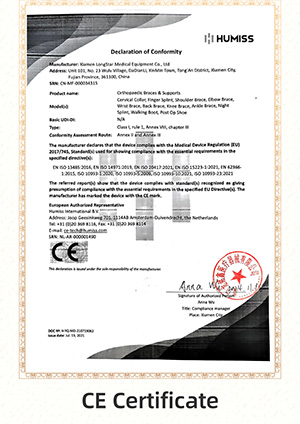
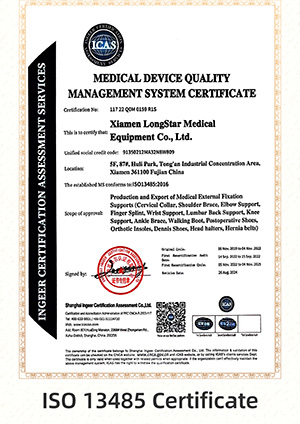
Unlike adult spinal braces that aim for rigid immobilization, pediatric posture corrector braces must fulfill a delicate dual requirement: providing sufficient kinetic feedback to realign the clavicles and thoracic spine, while honoring the biomechanical elasticity and rapid physiological growth of developing skeletal frames. Sourcing certified, clinical-grade pediatric posture braces requires medical device distributors, OEM brand owners, and hospital purchasing officers to carefully evaluate material biocompatibility, structural vector distribution, regulatory compliance (CE MDR, FDA Class I), and scalable manufacturing quality.
Information Gain Insight for Buyers: Conventional postural braces often over-constrain pediatric spinal extension, inducing muscular atrophy in the erector spinae. Modern CE-certified pediatric braces utilize dynamic elastic recoil vectors that trigger proprioceptive muscle activation rather than passive skeletal blockage.
Biomechanical Engineering Standards for Pediatric Posture Corrector Braces
When evaluating medical-grade pediatric posture correctors, engineering specifications dictate therapeutic success. Below are the key design factors integrated into BHW Medical's manufacturing protocols:
Proprioceptive Tension Vectors
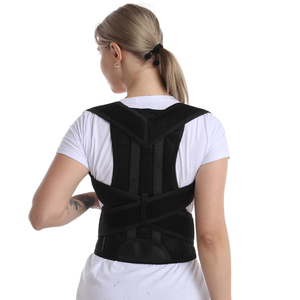
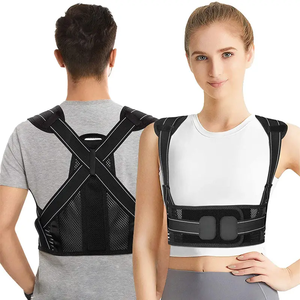
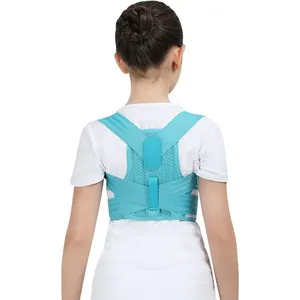
Employs dual figure-8 cross-strapping engineered to exert gentle retrusion on the acromioclavicular joints, prompting self-correction of the sagittal thoracic curve without thoracic compression.
Hypoallergenic Biocompatibility
Skin-contact layers use ISO 10993-tested, OEKO-TEX Standard 100 certified breathable 3D air-mesh fabrics. Free from harmful plasticizers, heavy metals, or volatile organic compounds (VOCs).
Anatomical Malleable Stays
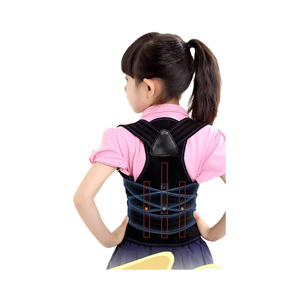
Features lightweight contourable aluminum or flexible polymer para-spinal stays aligned with T1–T12 thoracic segments to maintain natural spinal alignment during prolonged sitting.
Technical Specification & Sourcing Matrix
To assist international procurement managers in matching product variants to target markets, the following comparative engineering matrix outlines key technical options across pediatric posture corrector brace categories:
| Brace Architecture | Primary Target Pathologies | Core Material Formulation | Support Level | Regulatory Tier |
|---|---|---|---|---|
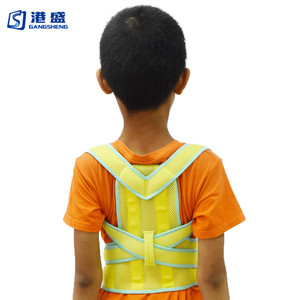
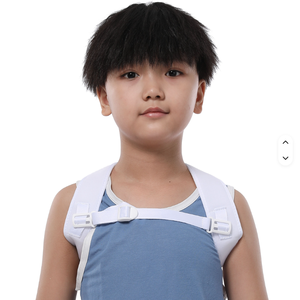
| Clavicle Figure-8 Strap | Shoulder Slouching, Clavicle Fracture Post-Care | Soft Neoprene / Breathable Nylon Mesh | Dynamic / Mild | CE Class I / FDA Exempt |
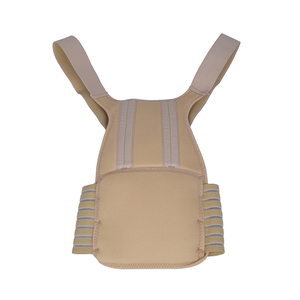
| Full-Spine Thoracolumbar Brace | Adolescent Kyphosis, Lumbar-Thoracic Strain | 3D Sandwich Air-Mesh + Aluminum Stays | Moderate / Rigid | CE Class I / ISO 13485 |
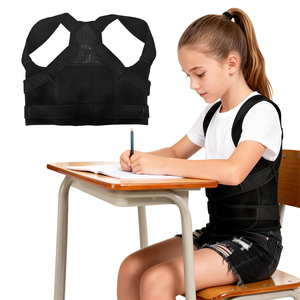
| Adjustable Student Daily Corrector | Sedentary Desk Slouching, Prevention | Ultra-Thin Polyester Fabric + Micro-Velcro | Dynamic Feedback | CE Class I / FDA Registered |
| Pediatric Lumbar-Postural Belt | Lower Back Postural Fatigue, Scoliotic Tendencies | Elastic Knitted Mesh + Polymer Stays | Moderate Flexible | CE / ISO 13485 |
Future Sourcing & Manufacturing Trends in Pediatric Posture Correctors
As global medical device procurement evolves, three distinct industry trends are reshaping how pediatric orthopedic braces are developed, certified, and sourced:
1. Smart Biofeedback Sensor Integration
Next-generation posture braces are transitioning from passive mechanical supports to active smart orthoses. By embedding miniature micro-electromechanical systems (MEMS) gyroscopic sensors into the interscapular pocket, smart braces track spinal flexion angles in real-time, providing gentle haptic feedback (vibration) whenever a child slumps past a 15-degree threshold. BHW Medical actively partners with smart-health brands to provide specialized sensor-ready textile pockets and conductive wire-channeling integration.
2. Eco-Friendly & Recycled Technical Textiles
Environmental sustainability has become a critical procurement criterion, particularly for European and North American hospital systems and retail chains. Sourcing managers are increasingly specifying Recycled Polyester (rPET) derived from post-consumer plastics, processed under Global Recycled Standard (GRS) certifications. These eco-textiles deliver identical tensile elasticity, skin safety, and moisture-wicking capabilities while reducing the carbon footprint of production.
3. Stringent European CE MDR & Global Traceability Compliance
With the full implementation of the European Union Medical Device Regulation (EU 2017/745 MDR), Class I medical device manufacturers must enforce strict technical documentation, Unique Device Identification (UDI) labeling, and post-market surveillance systems. Distributors sourcing pediatric braces must ensure their manufacturing partners maintain valid ISO 13485 certification and robust quality management systems (QMS) capable of providing complete material batch traceability.