Expert articles, clinical guides, and manufacturing insights from BHW Medical Equipment Co., Ltd.

Connecting healthcare professionals and distributors with reliable orthopedic resources.
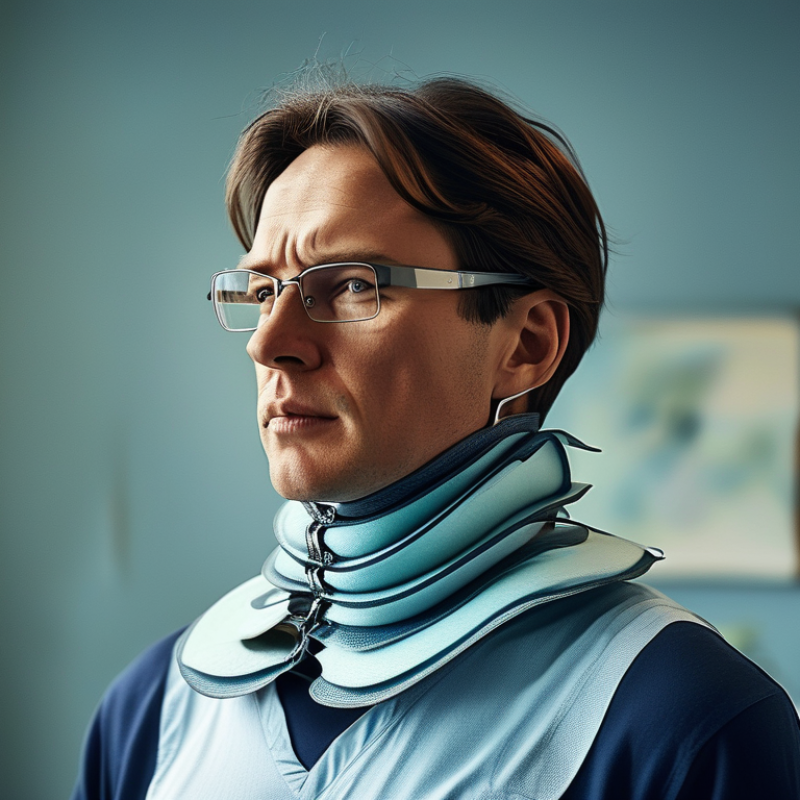
Choosing the right medical cervical collar can significantly impact neck health. Dr. Mark Johnston, a renowned orthopedic specialist, emphasizes, "A well-fitted medical cervical collar can stabilize the neck and promote healing." This highlights the crucial role these devices play in recovery from neck injuries.
Medical cervical collars are designed to provide essential support. They limit movement and reduce strain during the healing process. Patients often find that wearing a proper collar helps alleviate pain. However, selecting the right collar can be challenging. Many options exist, and not all may fit every individual’s needs perfectly.
Understanding the features of a medical cervical collar is vital. Some offer adjustable sizes, while others provide varying levels of support. Not all collars are alike, and it's important to seek professional advice. Choices reflect personal comfort, injury type, and healing requirements. Neglecting these considerations may lead to less effective treatment. This is why expertise in choosing a medical cervical collar is invaluable.
A medical cervical collar offers crucial support for individuals with neck injuries or conditions. Understanding how it functions is essential for effective use. These collars restrict movement, providing stability to the cervical spine. They help alleviate strain on muscles and ligaments. This is particularly important for recovery after surgery or trauma.
Additionally, cervical collars can vary in design. Rigid collars provide maximum support, while soft collars offer more comfort. Each type has its unique purpose and should be chosen based on specific medical advice. A medical professional's guidance is vital when selecting the right collar. This ensures that the support aligns with the severity of the issue.
However, reliance on cervical collars can lead to some challenges. Long-term use may weaken neck muscles, leading to decreased mobility. Regular evaluation by healthcare providers is recommended. They can assess recovery progress and adjust treatment plans as necessary. Understanding both the benefits and limitations of cervical collars is key to effective neck support.
When selecting a medical cervical collar, understanding the different types can greatly enhance neck support. Soft collars provide limited support but are often more comfortable for mild injuries. They allow some neck movement while still offering a degree of stability. These collars are useful for conditions like muscle strains or minor whiplash.
Rigid collars, on the other hand, offer increased support and restriction of movement. They are commonly used after surgeries or for more severe neck injuries. The rigid design helps keep the cervical spine aligned, promoting healing. Another option is the cervical traction collar. This type uses gentle traction to relieve pressure on the spine and is helpful for conditions like disc herniation.
Choosing the right collar depends on the diagnosis and severity of the injury. It is essential to consider comfort levels and daily activities. Some users might feel uncomfortable with the collar, leading to frustration. The right balance of support and comfort is crucial for effective recovery. Consulting a healthcare professional is always advisable for personalized recommendations.
| Type of Cervical Collar | Description | Indications | Material | Duration of Use |
|---|---|---|---|---|
| Soft Cervical Collar | Provides gentle support and limits movement. | Neck strain, muscle tension, mild pain relief. | Foam or fabric. | Short-term use (hours to days). |
| Rigid Cervical Collar | Offers firm support and restricts movement effectively. | Post-surgical recovery, severe neck injuries. | Plastic or thermoplastic. | Long-term use (weeks to months). |
| Philadelphia Collar | Designed for immobilization with contours for better fit. | Cervical fractures, post-operative stabilization. | Plastic. | Moderate to long-term use (weeks to months). |
| Inflatable Cervical Collar | Adjustable support through inflation for comfort. | Chronic neck pain, muscle relaxation. | Vinyl or rubber. | Short-term use (as needed). |
Cervical collars are designed for neck support and injury recovery. They offer stability to the cervical spine, making them a valuable tool for those experiencing neck pain or injuries. Wearing a cervical collar can limit movement, which may help prevent further damage and facilitate healing. This restriction can be particularly beneficial after a whiplash injury or surgery.
Beyond their physical benefits, cervical collars can boost confidence. When individuals feel supported, they may be more inclined to engage in daily activities. This psychological aspect should not be overlooked. However, while they can offer relief, it's crucial to use cervical collars properly. Prolonged usage may lead to muscle weakness in the neck, necessitating a balance between support and mobility.
Patients should seek professional advice before use. This ensures the collar fits appropriately and serves its intended purpose. Misuse or over-reliance on cervical collars can hinder recovery instead of aiding it. Understanding both benefits and limitations is essential for effective neck support.
This chart illustrates the percentage of users reporting different benefits from using medical cervical collars for neck support.
Injuries to the neck can have significant repercussions on overall health and mobility. When to consider a medical cervical collar for recovery is crucial. Studies show that cervical collars can reduce pain by 28% within the first week of use. This can be especially beneficial for those who have sustained injuries such as whiplash. A well-fitted collar provides the necessary support to stabilize the neck while minimizing movement.
Clinical guidelines suggest using a medical cervical collar after significant trauma, such as car accidents or sports injuries. These devices help limit mobility, allowing soft tissues to heal properly. Using a collar can prevent long-term issues like chronic pain. However, improper use can lead to complications. Extended use without professional advice may weaken neck muscles.
It's also important to assess comfort and fit. Each person's anatomy differs, so one size does not fit all. Inappropriate sizing may exacerbate discomfort or pain. Engaging with a healthcare professional for proper fitting is essential. They can offer tailored recommendations, ensuring the collar's effectiveness for recovery.
Choosing a medical cervical collar involves understanding proper fitting and maintenance. A well-fitted collar provides essential support, relieving pressure on the cervical spine. According to a study published in the Journal of Orthopedic Research, improper fit can significantly alter the effectiveness of neck support, potentially leading to further injury.
A medical cervical collar should fit snugly but comfortably. It should cover the neck adequately without restricting movement too much. Regular checks for signs of wear are vital. Research indicates that around 30% of users may not be aware of when to replace their collar. Worn-out collars may lose their supportive properties, failing to provide adequate immobilization.
When maintaining a cervical collar, cleanliness is crucial. Daily cleaning can prevent skin irritation. It's also important to assess the collar's fit regularly. Changes in body posture or weight can require adjustments. A well-maintained collar should be adjusted or replaced if it becomes uncomfortable or shows visible damage. Monitoring compliance with maintenance can enhance the overall effectiveness of a cervical collar.
: There are soft collars, rigid collars, and cervical traction collars. Each serves different purposes.
Consider using a collar after significant neck injuries, like whiplash, or following surgery.
Soft collars provide limited support and comfort for mild injuries, allowing some neck movement.
Rigid collars offer increased support and limit neck movement, promoting proper healing.
Yes, they can reduce pain by about 28% within the first week of use after an injury.
Comfort, fit, and the severity of your injury should guide your choice of collar.
Improper sizing can worsen discomfort and pain, hindering recovery efforts.
Yes, extended use without advice may weaken neck muscles and create complications.
Yes, consulting a professional ensures proper fitting and tailored recovery recommendations.
Daily activity may be affected. Balancing comfort and support is crucial for effective recovery.
A medical cervical collar is an essential tool for providing effective neck support, particularly in cases of injury or rehabilitation. Understanding the functionality of these collars is crucial, as they are designed to immobilize the cervical spine, alleviate pain, and promote healing. Various types of medical cervical collars serve different purposes, from soft collars that offer minimal support to rigid collars that provide maximum immobilization for severe injuries.
The benefits of using a medical cervical collar extend beyond injury recovery; they can help manage post-surgical pain and prevent further damage during the healing process. It’s important to know when to consider a cervical collar, particularly in instances of whiplash, fractures, or chronic neck conditions. Proper fitting and maintenance are also vital to ensure effectiveness and comfort. Overall, a medical cervical collar can significantly enhance recovery outcomes and promote better neck health when used appropriately.