0%

Choosing the right nighttime support can change how plantar fasciitis feels each morning. A well-designed Orthopedic night splint may keep the foot gently dorsiflexed while you sleep. This position can reduce tightening across the plantar fascia and calf. It may also make those first painful steps less severe.

However, not every splint suits every foot. Some models use rigid shells, while others rely on flexible straps and padded fabric. A poor fit can create pressure near the heel, ankle, or toes. I have found that comfort often determines whether people continue wearing a splint beyond the first few nights. That practical detail matters more than impressive product language.

This 2026 guide examines current night splints through comfort, adjustability, materials, stability, and clinical practicality. It considers user experiences alongside guidance from podiatrists, orthopedic professionals, and reputable medical sources. Evidence for night splints is useful, but it is not perfect. Results can vary with symptom duration, footwear, activity levels, and underlying conditions.

Small details matter.

We will compare designs for different sleeping positions and foot shapes. We will also discuss cleaning, durability, sizing accuracy, and warning signs that require professional assessment. A night splint should support recovery, not replace a complete treatment plan. Stretching, supportive footwear, load management, and medical advice may still be necessary. The best choice is not always the most expensive one. It is the option you can wear safely, consistently, and comfortably.

2026 Best Orthopedic Night Splint for Plantar Fasciitis?

Plantar Fasciitis Explained: Symptoms, Causes, and the 10% Lifetime Risk

Plantar fasciitis is a common source of heel pain, especially in active adults. The lifetime risk is often estimated at about 10 percent. Pain usually starts near the heel bone and feels sharp during the first steps after waking. It may ease with movement, then return after long standing or walking. Some people notice tenderness after sitting for a long time.

The plantar fascia is a strong band supporting the foot’s arch. Repeated strain can irritate this tissue where it attaches to the heel. Sudden increases in exercise, tight calf muscles, excess body weight, and unsupportive footwear may contribute. However, heel pain has other causes. A rushed self-diagnosis can miss a nerve problem, stress injury, or joint condition.

A 2026 orthopedic night splint may help by keeping the ankle gently flexed during sleep. This position can reduce morning tightening and make the first steps less painful. Fit matters. Excessive pressure, numbness, skin irritation, or worsening pain means the device should be removed and reviewed by a healthcare professional. Evidence is helpful, but not perfect. A splint alone rarely addresses every cause. Calf stretching, gradual activity changes, supportive shoes, and guided rehabilitation may work better together. Persistent pain deserves assessment, particularly when swelling, weakness, bruising, or walking difficulty appears.

2026 Best Orthopedic Night Splint for Plantar Fasciitis? — Plantar Fasciitis Explained: Symptoms, Causes, and the 10% Lifetime Risk

An evidence-informed comparison of plantar fasciitis symptoms, risk factors, and common orthopedic night-splint designs. Individual suitability may vary.

Data Dimension Key Information Typical Clinical Details Practical Relevance When Choosing a Night Splint
Condition Plantar fasciitis is a common cause of heel pain involving the plantar fascia, a strong band of connective tissue supporting the arch of the foot. Symptoms often develop gradually and may affect one or both feet. A night splint is intended to complement, not replace, a broader treatment plan such as stretching, activity modification, and supportive footwear.
Lifetime risk Plantar fasciitis is commonly estimated to affect approximately 10% of people during their lifetime. The exact rate varies by population, study design, age, activity level, and occupational demands. Because the condition is common, a comfortable and consistent conservative-care plan is often more useful than choosing a device based only on appearance or price.
Most characteristic symptom Sharp or aching pain near the underside of the heel, especially with the first steps after waking. Pain may also occur after sitting for a prolonged period and then standing. A splint that maintains a gentle stretch overnight may help address morning tightness in some people, although results are variable.
Pain pattern Symptoms often improve after several minutes of walking but may return after prolonged standing, walking, or exercise. Persistent or worsening pain should be assessed to confirm the diagnosis and exclude other causes. Choose a design that does not create excessive pressure, numbness, skin irritation, or pain during sleep.
Common risk factors Reduced calf flexibility, limited ankle motion, increased body weight, prolonged standing, running, sudden activity changes, and unsupportive footwear may contribute. Risk is influenced by a combination of foot mechanics, tissue load, activity, and individual health factors. Night splints may be more useful when combined with calf and plantar-fascia stretching and appropriate daytime footwear.
Primary purpose of a night splint To hold the ankle and toes in a relatively neutral or gently dorsiflexed position while sleeping. This position may reduce overnight shortening of the calf–Achilles–plantar-fascia chain. The best design is generally one that provides a tolerable, controlled stretch and can be worn consistently.
Dorsiflexion angle Most night splints use a neutral position or a mild upward bend of the foot rather than an aggressive stretch. There is no universally established “best” angle for every patient. Adjustability is valuable because excessive dorsiflexion may increase discomfort, cramping, pressure, or sleep disruption.
Rigid posterior design A structured frame runs along the back or underside of the lower leg and foot to help maintain the ankle position. It generally offers more positional control than a soft sleeve. May suit people who need firmer positioning, but it can feel bulky and may be less comfortable for side sleepers.
Soft dorsal design A fabric-based brace applies gentle tension across the top of the foot and lower leg. It is usually lighter and less restrictive than a rigid frame. May be easier to tolerate overnight, but it can provide less consistent control and may loosen during sleep.
Strap-adjusted design Multiple straps allow the user to regulate tension and fit around the foot and calf. Correct tension should be firm but not painful or circulation-restricting. Look for wide, padded, low-profile straps and simple adjustment points that remain secure overnight.
Fit and sizing Proper sizing should account for foot length, calf circumference, ankle shape, and intended side of use. Measurements should be taken according to the product’s sizing instructions rather than relying only on shoe size. A poor fit can cause slipping, pressure points, skin irritation, numbness, or ineffective stretching.
Material considerations Breathable, moisture-managing fabrics and padded contact areas may improve comfort. Rigid components should have smooth edges and stable padding. People prone to sweating or skin sensitivity may prefer washable, breathable materials with minimal seams.
Expected benefits Potential benefits include reduced morning heel pain, less perceived tightness, and improved tolerance of initial steps. Benefits are not guaranteed, and evidence for night splints is mixed across studies. Assess effectiveness by pain, morning function, sleep quality, and ability to continue normal activities—not by fit alone.
Typical trial period A gradual trial over several nights or weeks is commonly used to assess comfort and symptom response. Begin with short, tolerable periods if the device feels unfamiliar, following the manufacturer’s instructions. Stop or modify use if pain, numbness, tingling, swelling, skin damage, or worsening symptoms occur.
Complementary measures Calf stretching, plantar-fascia stretching, strengthening, activity modification, ice for short-term comfort, and supportive footwear may be used as part of conservative care. Treatment should be individualized according to symptoms, activity, and medical history. A night splint is usually most useful as one component of a comprehensive management approach.
When to seek professional assessment Seek evaluation for severe pain, inability to bear weight, significant swelling, trauma, fever, progressive numbness, or symptoms that do not improve. Heel pain can also result from nerve irritation, stress injury, tendon disorders, arthritis, or other conditions. A healthcare professional can confirm the diagnosis and advise whether a splint is appropriate.
Best overall selection criteria Comfort, correct fit, adjustable tension, stable positioning, breathable materials, and consistent tolerability. No single night-splint style is best for every person. The most suitable option is the one that provides a gentle stretch without disturbing sleep or causing circulation and skin problems.

Medical note: This table is for general educational purposes and does not replace diagnosis or individualized medical advice. If heel pain is persistent, severe, or associated with concerning symptoms, consult a qualified healthcare professional.

How Night Splints Work: Maintaining 90° Ankle Position During Sleep

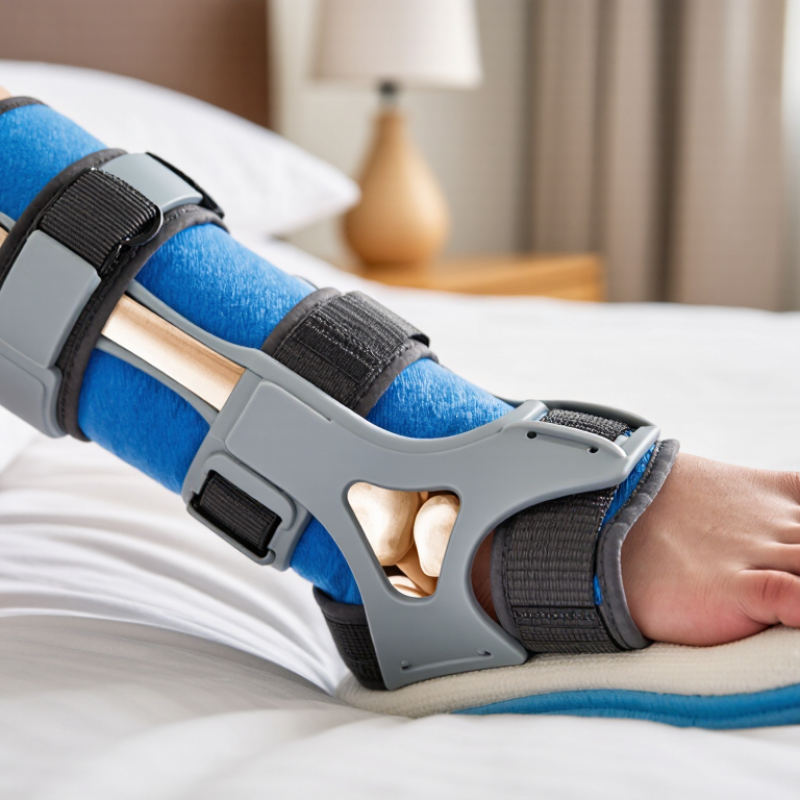
A night splint for plantar fasciitis works by holding the ankle near a 90° position during sleep. This position gently keeps the toes and plantar fascia from shortening overnight. It also limits the downward-pointing motion that often causes morning stiffness.

The design usually supports the foot, ankle, and lower leg with adjustable straps. When fitted correctly, it creates a steady stretch through the calf and the sole. The effect should feel firm, not painful. Too much pressure may cause numbness, rubbing, or colder toes. Comfort matters.

Small details make a difference. A thin, breathable sock can reduce friction around the heel. The strap should hold the ankle without leaving deep marks. Begin with short periods if the splint feels unfamiliar. Some people sleep better after several nights. Others cannot tolerate it. That is not failure.

Clinical guidance commonly treats night splints as one part of care, alongside calf stretching, supportive footwear, and activity changes. Research suggests benefits for some people, especially those with persistent morning pain. Results vary, and a splint is not a guaranteed fix. A physical therapist or orthopedic professional can assess the fit and ankle position. Stop using it and seek advice if swelling, skin injury, weakness, or lasting tingling appears. A careful fit is more valuable than an aggressively tight stretch.

Orthopedic Night Splint Types Compared by Comfort, Fit, and 5–10° Dorsiflexion

2026 Best Orthopedic Night Splint for Plantar Fasciitis?

A night splint should hold the ankle near 5–10° of dorsiflexion, keeping the plantar fascia gently lengthened during sleep. The angle matters, but comfort often decides whether treatment continues. The 2023 Journal of Orthopaedic & Sports Physical Therapy clinical guideline supports night splints for people with persistent first-step pain, commonly for one to three months. A 2019 American Family Physician review reports that plantar fasciitis affects about 10% of people during their lifetime.

Fit changes the experience. A posterior splint may feel stable, yet its rigid shell can press against the calf or mattress. An anterior design can feel lighter, but straps may slip when the foot sweats. Look for adjustable tension, soft contact points, and enough room for natural toe movement. The heel should stay seated without numbness, tingling, or cold toes. Too tight is not therapeutic.

My practical mistake was treating the 5–10° target like a precise score. Bodies do not behave like protractors. A 2022 systematic review in the Journal of Foot and Ankle Research noted variation in night-splint designs and limited certainty across studies. Start with mild tension, inspect the skin in the morning, and increase gradually if tolerated. Persistent pain, swelling, or altered sensation deserves assessment by a qualified clinician.

2026 Best Orthopedic Night Splint for Plantar Fasciitis?

Orthopedic night splint types compared by typical comfort, fit adjustability, and dorsiflexion positioning. The 5–10° dorsiflexion range reflects a commonly used gentle nighttime positioning target; comfort and fit scores are comparative design ratings on a 1–5 scale.

Posterior rigid splints generally provide the most consistent ankle angle but may feel less comfortable. Adjustable plantar-fascia braces offer flexible positioning and fit control, while soft night socks usually prioritize comfort over precise dorsiflexion control. Individual results vary, and a clinician should confirm the appropriate angle and fit.

Clinical Evidence: What 1–3 Months of Night-Splint Use Can Achieve

2026 Best Orthopedic Night Splint for Plantar Fasciitis?

Clinical evidence suggests that night splints can reduce plantar fasciitis symptoms over one to three months. They hold the ankle and toes in gentle dorsiflexion during sleep. This position may limit overnight tightening of the plantar fascia and calf muscles. After four weeks, some users report less pain during their first morning steps. Improvements often become clearer by eight to twelve weeks, although results vary between individuals.

Consistency matters more than aggressive stretching. Begin with a comfortable setting and wear the splint for several hours. Gradually increase overnight use as your skin and ankle adapt. Check for numbness, swelling, pressure marks, or cold toes each morning. A properly fitted splint should feel supportive, not restrictive. Pairing it with calf stretching, supportive daytime footwear, and activity adjustments may improve comfort.

It is not a quick cure. Clinical outcomes are usually modest, and some people stop because the device disrupts sleep. That limitation deserves honesty. A common mistake is choosing excessive tension and expecting faster healing. People with diabetes, reduced sensation, circulation problems, or persistent swelling should seek professional guidance before use. If pain continues beyond several weeks, a physical therapist or qualified clinician can reassess the diagnosis and treatment plan.

2026 Buying Criteria: Materials, Adjustability, Safety, and Patient Compliance

A suitable orthopedic night splint should support the plantar fascia without creating new pressure points. Materials matter because skin remains enclosed for several hours. Look for soft, breathable fabric around the ankle and heel. The inner surface should feel smooth, not abrasive. A semi-rigid support can maintain a gentle stretch, while excessive stiffness may disturb sleep.

Adjustability is essential. The angle should change gradually, especially for people with tight calves or limited ankle movement. Wide straps can spread pressure more evenly. Fasteners must stay secure but release easily when needed. Check the heel, Achilles area, and top of the foot for redness, numbness, swelling, or tingling. Stop using the splint if symptoms worsen. Medical advice is appropriate for diabetes, reduced sensation, circulation problems, or recent injury.

Patient compliance often determines real-world value. A lightweight design, quiet fasteners, and a simple fitting routine can encourage nightly use. Begin with a shorter wearing period, then increase it as comfort allows. Keep the foot in a neutral position rather than forcing a strong stretch. That detail is easy to miss. No checklist is perfect. A splint that looks highly supportive may still fail if heat, pressure, or poor sizing interrupts sleep. Recheck fit after several nights, because swelling and sensitivity can change. Record discomfort honestly, even when the device seems well made.

FAQS

What is plantar fasciitis?

Plantar fasciitis is irritation of the thick tissue supporting the foot’s arch. Pain often begins near the heel bone. It may feel sharp during the first morning steps. Results vary.

What symptoms commonly occur?

Morning heel pain is common. Pain may ease after movement, then return after long standing or walking. Tenderness can appear after sitting for a long time. Swelling is not always present.

What may contribute to plantar fasciitis?

Sudden increases in exercise can strain the plantar fascia. Tight calf muscles, higher body weight, and unsupportive shoes may contribute. A busy walking routine can worsen symptoms. The cause is not always obvious.

How common is plantar fasciitis?

The estimated lifetime risk is about 10 percent. It commonly affects active adults. This figure is only an estimate, not a personal prediction. Individual risk differs.

Can a night splint reduce morning pain?

A night splint gently keeps the ankle and toes flexed during sleep. This position may reduce overnight tightening. Some people report easier first steps after about four weeks. Improvements may become clearer after eight to twelve weeks.

How should someone begin using a night splint?

Start with a comfortable setting for several hours. Increase wearing time gradually as your skin and ankle adapt. Check for numbness, swelling, pressure marks, or cold toes each morning. Comfort matters more than maximum tension.

Is a night splint a complete treatment?

Usually not. Evidence is helpful, but incomplete. Calf stretching, supportive daytime shoes, and gradual activity changes may help together. Guided rehabilitation can address movement problems more directly. A splint alone may disappoint.

When should someone seek professional assessment?

Seek advice for persistent pain, swelling, weakness, bruising, or walking difficulty. Other causes can include nerve problems, stress injuries, or joint conditions. People with diabetes, reduced sensation, or circulation problems need extra guidance. Stop using the splint if pain or skin irritation worsens.

Conclusion

Plantar fasciitis is a common source of heel pain, often causing sharp discomfort with the first steps in the morning. Although symptoms vary, the condition may affect roughly 10% of people during their lifetime. An Orthopedic night splint can support recovery by gently keeping the ankle near a 90° position while sleeping, helping maintain a mild 5–10° dorsiflexion stretch and reducing overnight tightening of the plantar fascia and calf muscles.

This guide compares night-splint designs according to comfort, fit, adjustability, and ease of use. It also reviews what consistent use over one to three months may realistically achieve, such as reduced morning pain and improved flexibility, while recognizing that results differ between individuals. Key 2026 buying considerations include breathable, skin-friendly materials, secure but nonrestrictive straps, simple adjustment, stable support, and safe nighttime wear. The most effective option is one that users can tolerate comfortably and wear consistently as part of a broader plantar-fasciitis care plan.

Clara

Clara

Clara is a dedicated marketing professional with a profound understanding of the company’s core products and services. With years of experience in the field, she excels in crafting engaging and informative blog posts that highlight the unique advantages of the company’s offerings. Clara’s expertise......