Expert articles, clinical guides, and manufacturing insights from BHW Medical Equipment Co., Ltd.
Connecting healthcare professionals and distributors with reliable orthopedic resources.
Choosing an Orthopedic elbow brace for international markets takes more than comparing prices or product photos. Buyers need to examine fit, support level, materials, and intended use. A brace that looks sturdy online may feel restrictive after several hours, especially when its straps press against the elbow crease. Small details matter: adjustable closures, breathable fabric, clear sizing charts, and smooth edges can affect daily comfort. Fit matters.
This guide helps global buyers assess products with practical questions in mind. What measurements does the supplier require? Are materials and care instructions clearly listed? Can the manufacturer provide consistent product specifications and relevant documentation for the destination market? These checks do not guarantee quality, but they make comparisons more reliable. Buyers should also distinguish general support products from braces intended for specific clinical needs, and seek advice from a qualified health professional when appropriate.
There is no single best brace for every user or market. Some product descriptions sound confident while leaving important details unclear; that deserves a closer look. This overview considers design, sizing, materials, supplier communication, and purchasing factors that can help buyers make informed decisions in 2026. It also recognizes a limitation: online specifications cannot fully show how a brace feels during movement. Requesting samples, when practical, can reveal issues that a catalog misses. A careful choice begins with evidence, not promises.
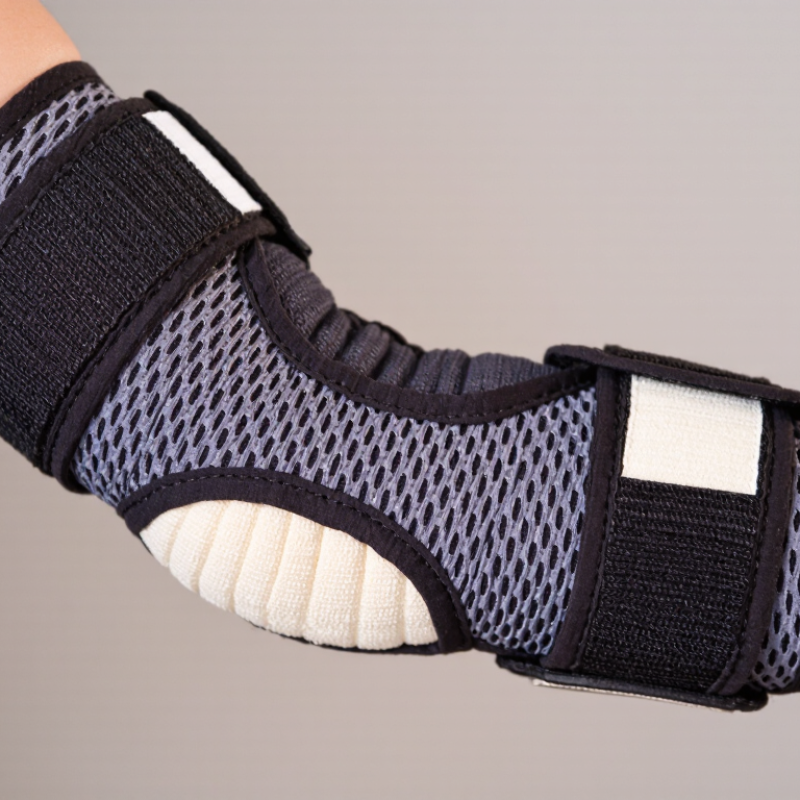
An orthopedic elbow brace is a wearable support designed to protect, stabilize, or guide elbow movement. It may reduce strain around injured joints, tendons, or ligaments during daily activities. Some braces limit motion after surgery, while others provide gentle compression during sports or repetitive work. A suitable design should support the elbow without causing numbness, skin irritation, or restricted circulation.
The brace usually combines elastic fabric, adjustable straps, padding, or firmer support panels. For example, a counterforce strap can sit below the elbow and reduce stress during gripping. A hinged brace may control bending after an injury. The correct choice depends on the diagnosis, movement needs, and advice from a qualified clinician. A brace should fit firmly, not painfully.
Many buyers focus on material and appearance, but sizing accuracy matters more. Measure the arm as instructed by the supplier, then compare the result with its size chart. Check whether the brace stays in place when reaching for a cup or lifting a light bag. Small details matter. Seams can rub, and excessive compression can become uncomfortable after several hours. It is easy to overestimate what a brace can do. It cannot repair a fracture or replace medical treatment. Stop using it if swelling, discoloration, weakness, or persistent pain appears.
Common elbow conditions can change how a person lifts, grips, sleeps, or reaches. Tennis elbow, or lateral epicondylitis, causes pain on the outer elbow and forearm. Repeated gripping, typing, or racket play can aggravate it. A counterforce brace may reduce tendon loading during activity. However, results vary between individuals.
Golfer’s elbow affects the inner elbow and often follows repeated wrist flexion. A supportive brace can limit painful movement while allowing controlled daily activity. Elbow sprains and mild instability may require a hinged brace, especially after a sports injury. The correct support depends on injury severity and healing stage. It should not replace clinical assessment.
Bursitis deserves caution. Pressure over a swollen bursa may increase discomfort, so padding or rest may be more suitable. Arthritis can sometimes benefit from gentle support, but excessive restriction may worsen stiffness. Fit is not a minor detail. The brace should feel secure, not tight. Fingers should remain warm and normally colored. Remove it if numbness, increasing pain, or skin irritation appears. That simple check matters.
A healthcare professional can assess the joint, tendon, nerves, and circulation before recommending an elbow brace. Buyers should also check adjustability, breathable materials, washing instructions, and intended activity. No brace solves every elbow problem. That assumption deserves questioning. Some pain improves with support, while other pain needs exercise, rest, medication advice, or further diagnosis.
2026 Best Orthopedic Elbow Brace for Global Buyers
Key Features of a High-Quality Elbow Brace
A reliable elbow brace should support movement without turning the joint into a rigid shell. Look for adjustable compression, breathable fabric, smooth seams, and a closure that stays secure during repeated bending. The brace should not cause numbness, tingling, or a cold hand. These signs may mean it is too tight. For buyers serving varied climates, quick-drying material can matter as much as cushioning.
Fit is practical, not cosmetic. Measure the arm at the point specified by the sizing guide, and check whether the brace fits either arm. A 2022 World Health Organization report estimated that 1.71 billion people live with musculoskeletal conditions worldwide. This broad figure is not elbow-specific, but it underscores the need for clear sizing and accessible product guidance. Buyers should also review cleaning instructions, material composition, and documented quality controls. A polished product description is not proof of durability.
Tips: Test the brace through ordinary tasks, such as lifting a light cup or turning a door handle. Check that pressure remains even after several minutes. No design works for every elbow, and that is easy to forget. If pain persists or worsens, users should seek advice from a qualified health professional rather than relying on a brace alone.
| Evaluation Dimension | High-Quality Feature | Why It Matters | Buyer Check |
|---|---|---|---|
| Intended Use | Clearly identifies whether the brace is designed for compression, support, motion control, or post-injury recovery. | Elbow braces vary in construction and are not interchangeable for every condition or activity. | Check the product instructions and consult a qualified healthcare professional when choosing support for an injury or medical condition. |
| Fit and Sizing | Provides a clear size chart, measurement instructions, and adjustable straps or a flexible fit where appropriate. | A suitable fit helps keep the brace in place without unnecessary pressure or restricted circulation. | Confirm measurement location, size range, adjustment method, and whether the brace is intended for the left arm, right arm, or either arm. |
| Materials | Uses skin-contact materials that are durable, breathable, and appropriate for the intended level of support. | Material choice affects comfort, heat retention, durability, and care requirements. | Review the material composition, care instructions, seam quality, and any stated latex content or other relevant material information. |
| Support and Adjustability | Offers a stable, even fit with adjustable compression or support features suited to its stated purpose. | Adjustability allows users to fine-tune the fit as comfort needs change during wear. | Check strap placement, fastening strength, ease of adjustment, and whether the product explains safe tightening. |
| Range of Motion | States clearly whether the design allows normal movement or includes features intended to limit movement. | Different activities and recovery plans may require different levels of movement support. | For braces with motion-limiting features, verify the adjustment range and follow professional guidance on use. |
| Comfort and Wearability | Has smooth edges, secure fasteners, and a design that can be worn comfortably for its intended duration. | Comfort can affect whether users wear the brace as directed. | Look for guidance on wear time, skin checks, washing, and signs that indicate the brace should be loosened or removed. |
| Durability | Shows consistent stitching, resilient fasteners, and materials suited to the expected frequency of use. | Reliable construction helps maintain fit and function over repeated use. | Assess seams, hook-and-loop attachment, material recovery, and any published care or replacement guidance. |
| Labeling and Instructions | Includes legible instructions for fitting, adjustment, cleaning, intended use, and relevant warnings. | Clear information supports safer use across different users and markets. | Confirm that packaging and user instructions are available in the languages required for target markets. |
| Quality and Regulatory Documentation | Provides verifiable product specifications and documentation appropriate to the product classification and destination market. | Requirements differ by jurisdiction and by the product’s intended purpose and claims. | Check applicable local rules, labeling obligations, test reports, and conformity documents; do not rely on unsupported compliance claims. |
| Global Supply Readiness | Offers consistent specifications, protective packaging, and documented storage and shipping requirements. | Good supply documentation helps buyers assess transport, handling, and product consistency. | Confirm packaging dimensions, carton details, shelf-life information if applicable, and export documentation requirements. |
Choosing an elbow brace for international markets starts with the user, not the catalog. A warehouse worker lifting cartons may need different support from a tennis player managing repetitive strain. Ask what movement the brace should support, how long it will be worn, and whether the wearer needs adjustable compression. A brace that feels secure at a desk can slip during repeated reaching. Small details matter.
Check the sizing range against actual arm measurements, not just “small” or “large” labels. Look for clear fitting instructions, breathable fabric, smooth seams, and closures that remain adjustable after repeated use. For a hinged brace, confirm that the hinges allow the intended movement and do not press uncomfortably against the skin. No brace fits everyone perfectly. That is easy to forget when comparing specifications.
Global buyers should also review material information, product testing records, packaging durability, and instructions translated for the destination market. Ask suppliers how they control size consistency between production batches. Request samples and test them through ordinary tasks, such as typing, carrying a light bag, and bending the arm. A sample review takes time. Skipping it can cost more later. If pain is severe, follows an injury, or continues despite use, users should seek advice from a qualified health professional rather than relying on a brace alone.
For global buyers, an elbow brace should match the intended activity, climate, and level of support. Neoprene retains warmth and may feel damp in humid weather. Breathable knitted fabric can be more comfortable during long shifts, though it may offer less compression. Look for smooth seams, secure stitching, and closures that do not catch on sleeves. Small details matter.
Sizing needs more than a general “small” or “large” label. Measure around the elbow as directed, using a flexible tape without pulling it tight. Compare the measurement with the supplier’s chart, and check whether the brace fits either arm. If swelling changes through the day, a highly compressive fit may become uncomfortable. I have seen buyers focus on the listed size and overlook the measurement method; that can lead to avoidable returns.
Safety information should clearly state intended use, care instructions, material composition, and any latex content. A brace should not cause numbness, tingling, or increased pain; remove it and seek qualified medical advice if these occur. For international purchasing, confirm units, packaging language, lead times, and replacement-part availability before ordering. Product descriptions are not always consistent across markets, so request a written specification. Even then, one uncertainty remains: comfort is personal, and a sample may tell more than a polished catalogue.
It is a wearable support that can stabilize the elbow, guide movement, or provide gentle compression. It does not repair an injury.
Match the brace to your diagnosis and daily activity. A counterforce strap sits below the elbow, while a hinged brace can limit bending. Ask a qualified clinician if unsure.
Measure your arm as instructed, then compare it with the size chart. It should feel firm, not painful.
Check the stitching, seams, padding, and closures. A rough seam may rub when you reach for a cup or pull on a sleeve.
Neoprene holds warmth but may feel damp in humid weather. Knitted fabric can breathe better during long shifts, though it may provide less compression.
Remove it if you notice numbness, tingling, discoloration, weakness, swelling, or increased pain. Seek qualified medical advice if symptoms persist.
Check measurement units, packaging language, care instructions, material details, lead times, and replacement-part availability. Request written specifications.
Not reliably. Comfort is personal, and a sample may help. That is still an imperfect test.
This guide explains how an Orthopedic elbow brace can support the joint by providing compression, stability, controlled movement, and targeted protection during recovery or daily activity. It reviews common conditions that may require bracing, including sprains, tendon irritation, joint instability, overuse injuries, and post-injury support needs. Readers will also learn which features matter most in a high-quality brace, such as adjustable fastening, comfortable ventilation, secure positioning, flexible support, and appropriate levels of compression.
For global buyers, choosing the best elbow brace requires careful attention to the intended use, support level, fit, and user comfort. The guide discusses material selection, accurate sizing, skin safety, durability, cleaning requirements, and packaging considerations. It also highlights practical international purchasing factors, including product specifications, measurement guidance, shipping conditions, documentation, and communication with suppliers. A suitable brace should balance effective support with freedom of movement while matching the user’s medical needs and activity level.